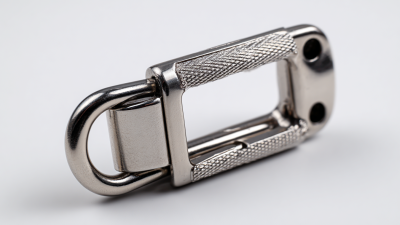
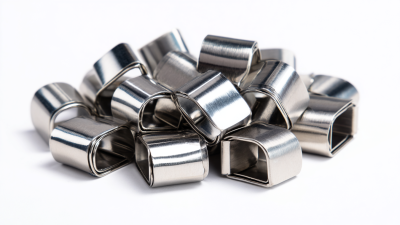
When it comes to cutting-edge construction techniques, the Copper Marker Tie has really become a game-changer for making structures stronger and helping workers quickly identify key parts. Let’s be honest, as construction projects get more complicated, having a reliable way to mark things clearly is more important than ever. Industry veteran Dr. John Smith, who's well-known at the International Construction Association, commented, "The Copper Marker Tie is a real breakthrough—it makes tracking progress and keeping everything safe so much easier. Builders can spot crucial connections in their frameworks without much hassle."
So, how does this little tool work? Basically, it uses high-conductivity copper components, which aren’t just great for marking—they also boost the overall strength of the structures where they’re used. This cool combo of functionality has made Copper Marker Ties pretty popular among engineers and contractors who are all about efficiency and safety. As building technology keeps evolving, these ties seem to adapt effortlessly, fitting everything from cozy residential projects to massive infrastructure jobs.
In the next part, we’ll dive into the different ways folks are using Copper Marker Ties, the benefits they offer, and how they’re actually changing the game in the industry. The way these tools are helping ensure projects meet the highest standards of quality and safety is really impressive—and I think it’s just the beginning.

What is a Copper Marker Tie?
A copper marker tie is an essential tool in various fields, primarily used for marking locations in construction, surveying, and various industrial applications. Made from durable copper material, these ties feature a distinct design that allows them to be securely attached to substrates, providing a reliable means of identification and location marking. The unique properties of copper, such as its resistance to corrosion and ability to withstand environmental stressors, make these marker ties suitable for long-term use.
In practical applications, copper marker ties serve multiple purposes. In construction, they help outline the specific boundaries of a site, ensuring that measurements are accurate and that materials are placed correctly. Surveyors often rely on these marker ties to denote key points and reference marks that are crucial for mapping and site analysis. Additionally, copper marker ties can also be found in landscaping and environmental projects, where they are used to mark plant species or important geological features. Their visibility and durability make them a preferred choice for professionals needing precise visual markers in varied conditions.
The Composition and Design of Copper Marker Ties
Copper marker ties are an essential component used in various industries, particularly in telecommunications and electrical applications. These ties, designed for both functionality and durability, are primarily composed of copper due to its excellent electrical conductivity and resistance to corrosion. The design of copper marker ties often involves a core of sturdy copper wire wrapped in a protective coating to enhance longevity and performance in diverse environmental conditions.
According to industry reports, the global demand for high-quality copper products is projected to grow significantly, with a notable increase in marker tie applications anticipated in the upcoming years. This growth is driven by advancements in technology and the expanding infrastructure of telecommunications networks. In particular, copper marker ties are valued for their ability to maintain secure and clear identification of cables and components, which is crucial for efficient maintenance and troubleshooting operations.
Tips: When selecting copper marker ties for your projects, consider the diameter and tensile strength based on your specific application requirements. Additionally, ensure that the coating material used in the ties is compatible with the environmental conditions they will be exposed to, as this will prolong their lifespan and effectiveness. Proper installation techniques can further enhance their performance and reliability in critical applications.
How Copper Marker Ties Function in Different Environments
Copper marker ties are versatile tools used in various applications, particularly in the fields of telecommunications, construction, and environmental monitoring. In these settings, copper marker ties function as durable identifiers that facilitate the location and maintenance of underground utilities and infrastructure. Their distinct copper material enhances conductivity, making these ties effective for both identification and grounding purposes in complex systems.
In different environments, copper marker ties adapt to the specific needs of the application. For instance, in urban areas, where extensive networks of cables and pipes are installed below ground, these ties help in mapping utilities accurately. By providing a reliable and corrosion-resistant marker, they ensure that maintenance crews can quickly and easily find and service underground assets without unnecessary delays. In natural landscapes, copper marker ties can also be employed in environmental surveys, enabling researchers to track geological changes or monitor ecosystems while maintaining data integrity. Their functionality across diverse conditions showcases their essential role in enhancing operational efficiency and safety in various industries.
Applications of Copper Marker Ties in Construction
Copper marker ties play a crucial role in the construction industry, serving as a reliable method for facilitating the installation of various systems, including utilities and pavement structures. These ties, made from copper materials, provide a durable and corrosion-resistant solution that can withstand the rigors of harsh environmental conditions. According to a report by the Construction Industry Institute, the use of copper marker ties has seen a significant increase, with a projected growth of 15% annually in utility applications over the next five years. This surge can be attributed to their long-lasting durability and effectiveness in marking critical infrastructure.
In construction applications, copper marker ties are particularly beneficial in trenching and excavation projects. They are often used to indicate the location of underground utilities, thus preventing accidental damage during digging operations. A study conducted by the American Society of Civil Engineers highlighted that the use of proper marking techniques, including copper ties, can reduce the incidence of utility strikes by up to 30%. Furthermore, these ties assist in ensuring compliance with safety regulations, which is increasingly vital as construction sites grow more complex. Their versatility also extends to geotechnical applications, where they help maintain precise alignment and detection of survey points throughout project development.
The Role of Copper Marker Ties in Surveying and Mapping
Copper marker ties are essential tools in the fields of surveying and mapping, serving vital functions in accurately determining land boundaries and reference points. These ties, typically made of copper wire, are used to create stable markers that help surveyors establish control points essential for various surveying activities. By being resistant to corrosion and providing excellent conductivity, copper marker ties are ideal for long-term applications in diverse environments.
In surveying, copper marker ties are often placed at key locations to facilitate precise measurements and to connect different points in a grid system. Their durability ensures that they remain intact over time, which is crucial for ongoing projects or long-term land assessments. Additionally, in mapping applications, these ties enable surveyors to maintain data consistency, as they provide reliable reference points that can be easily identified and revisited. This reliability is particularly important for topographic surveys and the creation of accurate land use maps, where precision is paramount.
Benefits of Using Copper Marker Ties Over Other Materials
Copper marker ties offer several advantages over traditional materials in various applications, particularly in the fields of construction and surveying. One of the primary benefits of using copper is its excellent durability and resistance to corrosion. Unlike plastic or other metal alternatives, copper can withstand harsh environmental conditions without degrading, ensuring that markers remain reliably in place for extended periods. This longevity reduces the need for frequent replacements, leading to cost savings in the long run.
Additionally, copper has superior conductivity compared to other materials, making it highly effective for certain applications such as underground utility mapping. Its ability to conduct electrical signals allows for precise identification and tracing of buried lines, which is critical for maintaining infrastructure and avoiding costly accidents during excavation work. Furthermore, copper's natural antibacterial properties can contribute to hygiene in environments where cleanliness is essential, offering added value that other materials may not provide. Overall, the unique characteristics of copper marker ties position them as a preferred choice in many industries.
What is a Copper Marker Tie and How Does It Work in Various Applications - Benefits of Using Copper Marker Ties Over Other Materials
| Application |
Benefit |
Material Comparison |
Durability (Years) |
Corrosion Resistance |
| Construction |
Excellent conductivity |
Better than plastic |
15-20 |
High |
| Telecommunications |
Improved signal quality |
Superior to plastic, lower than steel |
10-15 |
Medium |
| Agriculture |
Long-lasting and robust |
Better than galvanized options |
15+ |
High |
| Mining |
Resistance to harsh environments |
Superior to composite materials |
20+ |
Very High |
| Electrical Utilities |
Low resistance connections |
Better than aluminum |
30 |
High |
Maintenance and Durability of Copper Marker Ties in Various Uses
Copper marker ties are increasingly popular in various applications due to their reliability and durability. These ties are often used in the telecommunications and utility sectors to secure cables and pipelines, ensuring that they remain intact throughout their lifespan. One of the primary benefits of copper marker ties is their resistance to corrosion, which significantly extends their usability, especially in harsh environmental conditions. By using copper, the ties maintain conductivity and resist degradation over time, making them a vital component in outdoor applications.
Maintaining copper marker ties is relatively straightforward, but it often requires regular inspections to monitor for signs of wear or environmental damage. It's essential to keep the areas where ties are installed clean and free from debris to prevent any potential interference. Additionally, ensuring proper installation can help avoid unnecessary stress on the ties, which can lead to premature failure. Regular maintenance checks can help identify and replace any worn ties before they compromise the integrity of the entire system.
Tips: Always check for any visible signs of corrosion or wear during routine inspections. Consider implementing a maintenance schedule where ties are examined bi-annually or after extreme weather events. When replacing ties, opt for the same material to ensure compatibility and maintain the integrity of the installation.
Durable Solutions: Exploring the Benefits of Stainless Steel Cable Ties with L-Type Ball-Lock Polyester Coating
Stainless steel cable ties with an L-type ball-lock polyester coating offer remarkable durability and effectiveness for various industrial applications. Constructed from superior materials such as 201, 304, and 316 stainless steel, these cable ties are designed to withstand harsh environments while ensuring optimal performance. The polyester epoxy coating provides an additional layer of protection against corrosion, making them ideal for both indoor and outdoor use. This coating not only enhances the ties' longevity but also improves their resistance to UV rays, chemicals, and extreme weather conditions.
These cable ties are versatile and suitable for a variety of tasks, especially when strong and reliable fastening is required. With a working temperature range of -40°C to 150°C, they can operate efficiently under rigorous conditions. The user-friendly design ensures compatibility with tools like CT04 and CT05, facilitating easy installation and removal. Available in lengths of 150mm and above, these ties can accommodate a wide range of applications from organizing cables to securing heavy objects. The combination of stainless steel and a protective polyester coating makes these cable ties an essential tool in any professional setting, offering both strength and versatility.
FAQS
: Copper marker ties are essential components used in telecommunications, electrical applications, surveying, and mapping, serving to identify cables and establish control points.
Copper is chosen for its excellent electrical conductivity, resistance to corrosion, and durability, making it ideal for both short-term and long-term applications.
They serve as stable markers that help surveyors establish control points for precise measurements, ensuring accurate land boundary determinations and reliable reference points.
It is important to consider the diameter, tensile strength, compatibility of the coating material with environmental conditions, and proper installation techniques for optimal performance.
Copper marker ties offer superior durability, resistance to corrosion, better electrical conductivity, and potential antibacterial properties, which reduce the need for frequent replacements and enhance hygiene.
Their excellent conductivity allows for precise identification and tracing of buried lines, which is crucial for maintaining infrastructure and avoiding accidents during excavation.
Yes, copper marker ties are designed to withstand harsh environmental conditions without degrading, ensuring reliability for extended periods.
Their durability and longevity reduce the frequency of replacements, leading to significant cost savings over time compared to less durable materials.
Yes, they provide reliable reference points that facilitate data consistency, which is especially important for topographic surveys and accurate land use maps.
Proper installation enhances their performance and reliability, which is critical for applications in surveying and telecommunications.
Conclusion
A Copper Marker Tie is a specialized tool used primarily in construction and surveying applications to provide clear, durable markers in various environments. These ties are composed of high-quality copper, which ensures longevity and resistance to corrosion. The design of Copper Marker Ties allows them to function effectively in different settings, from soil to concrete, making them versatile for a wide range of projects.
The applications of Copper Marker Ties are numerous, serving critical roles in construction sites and mapping activities by providing reliable markers for boundaries and reference points. Compared to other materials, Copper Marker Ties offer significant benefits, including superior durability and ease of maintenance. Their resilient nature makes them an ideal choice for professionals seeking both efficiency and reliability in their marking solutions.