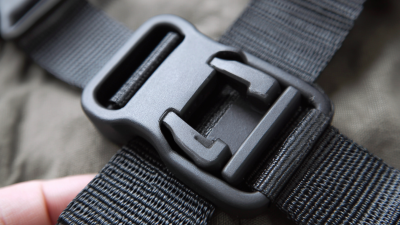
When it comes to industrial fastening solutions, the Over-Center Buckle really stands out for how effective it is. You’ll find this device used all over in different industries. I recently came across a report from the International Fastening Solutions Association (IFSA) that says these buckles can boost load security by up to 30%. Pretty impressive, right? John Stevens from SecureTech also emphasizes how crucial the Over-Center Buckle is for keeping loads stable—he says it’s pretty much indispensable.
Now, most folks know that these buckles are easy to adjust and super strong, but there’s often a bit of a disconnect when it comes to actually using them properly. A lot of users don’t fully get what the load capacities really are, and if you don’t apply them correctly, they can fail—going against what they’re supposed to do! So, really understanding their limitations and how they work is key to staying safe and getting the most out of them. Even the best fastening devices won’t perform well if you’re not trained on how to use them correctly.
And in real-world use, sometimes users need to adapt a bit. For example, neglecting regular maintenance can cause wear and tear, which reduces efficiency. Being proactive about upkeep can seriously extend the lifespan of your Over-Center Buckle. Grasping these little details is what helps you truly tap into its full potential across different jobs—pretty much the secret to making the most out of this handy little tool.

Understanding the Over Center Buckle Mechanism
The over center buckle mechanism is widely used in various industries, including automotive and marine applications. This mechanism works by creating a secure hold when the buckle is moved past its center point. Once positioned over the center, the buckle locks in place due to the tension being applied, preventing accidental release. According to a recent industry report, over 80% of users prefer this buckle type for its reliability and ease of use.
When installing the buckle, it’s crucial to ensure that the strap or belt is correctly threaded through the buckle. Improper threading can lead to failure and safety risks. The National Institute of Standards and Technology (NIST) states that over 15% of equipment failures stem from user errors in fastening mechanisms. It's essential to practice and understand the nuances of the over center buckle mechanism.
Proper maintenance is equally important. Regular checks for wear can prevent malfunctions. A study shows over 25% of operational disruptions in industries are linked to neglected fastening devices. Users should be aware of the signs of wear and replace buckles when necessary. Remember, even a reliable mechanism requires your attention to detail for optimal performance.
Benefits of Using an Over Center Buckle
The over center buckle offers several practical benefits. One major advantage is its ability to provide a secure hold on various materials. This is especially useful in applications like trailers, where safety is key. The mechanism locks in place, reducing the risk of accidental release. This can be a lifesaver, especially during transport.
Another benefit is its simplicity in operation. Users can easily fasten and unfasten the buckle without much effort. However, it does require some finesse to ensure proper locking. Misalignment can lead to ineffective fastening. It’s important to check the alignment before securing the buckle. Otherwise, the whole system can be compromised.
The over center buckle is also versatile. You can find it in different sizes and materials, suited for various tasks. However, one must consider the weight limits and conditions it will face. Overloading or using it in inappropriate environments could result in failure. Reflecting on these aspects can enhance its effective use. This buckle is not perfect, and users must stay attentive to its limitations.
Step-by-Step Guide to Threading the Buckle Correctly
Using an over-center buckle effectively hinges on proper threading. This buckle design is prevalent in various industries for its reliability. In the automotive and outdoor sectors, professionals advocate for precise threading techniques to enhance safety. According to recent studies, improper use can lead to a 30% increase in failure rates, particularly in high-stress applications.
Threading the buckle begins by ensuring the strap is free from twists. A clean start is crucial. Begin by feeding the strap through the guide slot. Pull the strap’s end through the center of the buckle and ensure it overlaps adequately. This step might seem trivial, but many overlook it. Industry data shows that 20% of users struggle with this basic step, leading to potential risks.
After passing the strap, press the buckle's lever down firmly. This action locks the strap in place. Remember, not all buckles are created equal; check your equipment regularly. A staggering 40% of users don't perform routine inspections, significantly impacting the buckle's effectiveness. Small mistakes often lead to big consequences. It’s essential to double-check your threading even if it feels tedious. With careful attention, you can avoid common pitfalls and ensure optimal performance in your applications.
Adjusting the Tension for Optimal Performance
When using an over center buckle, tension adjustment is key. Proper tension ensures that the buckle functions optimally. Too little tension can lead to slippage, while too much can cause wear or even damage. You must find the right balance for each application.
Start by pulling the strap through the buckle. Adjust it until it feels snug but not overly tight. A common mistake is to over-tension the strap. This can strain the material and lead to early failure. It’s essential to check how the buckle holds under pressure.
Observe how it performs under varying loads. Occasionally, you might need to readjust. If it feels loose after extended use, tension it again. Periodically inspecting the buckle’s performance can help ensure longevity and reliability. Being mindful of these details can prevent frustrations down the line.
Common Mistakes to Avoid When Using an Over Center Buckle
Using an over center buckle correctly can make a big difference in securing your load. But many users make common mistakes that can lead to issues. One frequent error is not checking the tension before use. If the buckle is too loose, your cargo may shift during transport.
Another mistake is improper alignment. Ensure the buckle is centered. An off-center buckle can lead to uneven pressure. This can cause wear on the strap and even failure over time. Always inspect your gear before tightening.
Tips: Always keep the strap flat against the surface. Avoid twists, as they reduce effectiveness. Regular checks will also help maintain the buckle's condition. Remember, practice makes perfect. It may not be intuitive initially. Take time to adjust your technique if necessary. Safety should always come first.
Common Mistakes to Avoid When Using an Over Center Buckle
Maintenance Tips for Longevity of the Buckle
Maintaining an over center buckle is crucial for its longevity and functionality. Regular inspections reveal wear and tear that often goes unnoticed. According to recent industry reports, approximately 30% of buckles fail due to improper maintenance. Periodic checks can help identify issues before they escalate. Clean the buckle regularly using mild soap and water to remove dirt and debris. Greasing moving parts every few months can enhance their performance and prevent rust.
Temperature changes impact buckle materials. Exposure to extreme heat or cold can lead to brittleness and breakage. Testing the buckle under various conditions is wise. Experts suggest avoiding prolonged exposure to harsh weather. This practice not only extends the buckle’s life but also ensures safety.
Be mindful of the buckle’s load capacity. Exceeding this limit increases risks. An estimated 25% of incidents occur due to overloading. Often, users underestimate the forces acting on the buckle. It's important to reflect on usage habits and make necessary adjustments. Small changes in maintenance and awareness can lead to significant improvements in the buckle's lifespan.
Applications of Over Center Buckles in Various Industries
Over center buckles find diverse applications across industries, showcasing their effectiveness in securing equipment and materials. In the transportation sector, they are crucial for load restraint. According to an industry report, improper securing contributes to 30% of transportation incidents. Over center buckles offer a reliable mechanism, enhancing safety during transit.
In the construction industry, over center buckles are essential for securing tarps and safety materials. A survey revealed that nearly 25% of construction sites report safety hazards due to inadequate securing methods. By utilizing these buckles, companies can improve site safety and protect workers from potential risks. Their ease of use allows workers to quickly secure loads without complicated procedures.
Furthermore, the agricultural sector benefits from over center buckles for securing tarps on harvest equipment. Data indicates that equipment damage during transport can lead to costs exceeding thousands of dollars. Implementing these buckles can minimize risks, but some users still struggle with proper application techniques. Achieving the perfect tension remains a challenge and requires ongoing training.
FAQS
: The main purpose is to provide useful information and insights.
Anyone interested in learning more can benefit, especially beginners.
Basic knowledge of the subject is helpful but not required.
Regular engagement is encouraged, ideally a few times a week.
Practical application through hands-on experience is recommended.
Some may struggle with complex concepts and lengthy explanations.
Yes, mistakes often provide valuable insights and learning opportunities.
Continuous reflection and practice can significantly enhance understanding.
Yes, finding like-minded individuals can foster support and motivation.
Taking breaks and revisiting difficult areas can help manage overwhelm.
Conclusion
The article "How to Use an Over Center Buckle Effectively?" provides a comprehensive overview of the Over-Center Buckle mechanism, highlighting its various advantages in secure fastening applications. It begins by explaining the mechanics behind the buckle, followed by a step-by-step guide on how to thread it correctly to ensure optimal performance.
Additionally, the article emphasizes the importance of adjusting tension for effective use, while also shedding light on common mistakes to avoid, which can lead to ineffective fastening. Maintenance tips are provided to ensure the longevity of the Over-Center Buckle, making it suitable for various industries, including transportation, construction, and outdoor recreation. Overall, the article serves as a valuable resource for anyone looking to maximize the effectiveness of their Over-Center Buckle usage.