Dealing with crooked or buckled teeth can really affect how confident you feel about your smile. It’s pretty common for people to notice issues like this, and they can come from all sorts of reasons—things like genetics, habits you’ve developed over time, or even accidents. Luckily, you don’t always need to shell out big bucks or visit the dentist for simple fixes. There are actually some handy tips and tricks you can try at home. Knowing what to do about these issues can give you the power to take better care of your teeth, boost your confidence, and show off that smile with pride.
This guide is full of practical advice, from easy at-home remedies to small lifestyle tweaks that can really make a difference. The goal is to help you improve your teeth’s alignment and keep your mouth healthy—without breaking the bank. By making these small changes daily, you might find your teeth gradually lining up better, and you’ll definitely feel more confident showing off your smile. Whether you’re just after quick fixes or thinking long-term, spotting these issues early and taking action can seriously change the game in your journey toward a healthier, happier smile.
Teeth buckle issues, often characterized by misalignment or protrusion, can stem from multiple factors. Genetics play a significant role, as some individuals are predisposed to less-than-ideal dental alignment. Additionally, habits such as thumb sucking in childhood or prolonged use of pacifiers can contribute to these problems. Other causes may include dental trauma, early tooth loss, or improper dental care. Recognizing these underlying issues is vital for determining effective home remedies.
Addressing teeth buckle problems at home involves a combination of good oral hygiene practices and corrective exercises. Maintaining a consistent dental care routine, such as brushing and flossing, helps keep the teeth healthy and minimizes further misalignment. Additionally, certain exercises, like consciously adjusting jaw posture or practicing proper tongue placement, can aid in realigning teeth over time. While these methods may not offer immediate results, they form part of a holistic approach to improving one’s smile and restoring confidence in one's dental appearance.
Assessing the severity of teeth buckle problems at home requires a careful evaluation of several factors, including the alignment, spacing, and overall health of your teeth. According to a report from the American Association of Orthodontists, approximately 22% of adults experience some form of dental misalignment, which can lead to buckled teeth. Signs of severity can include noticeable shifting of teeth, difficulty in biting or chewing, and asymmetry in your smile. Observing these symptoms can help determine the extent of the issue and whether professional intervention might be necessary.
To assess your teeth's condition effectively, start by examining the alignment in front of a mirror. Gently biting down and noting any irregularities in spacing or positioning can provide insight into the severity of the buckle. Research indicates that untreated moderate to severe misalignment can lead to further dental complications like gum disease or tooth decay over time. If significant misalignment is noticed, alternative methods—such as routine oral hygiene practices and the use of specific home remedies—may help alleviate some minor issues, yet professional consultation is often recommended for comprehensive treatment options.
If you have minor teeth buckle issues, you might be looking for effective home remedies to improve your smile. One simple approach is to use salt water gargles. Mixing a teaspoon of salt in warm water can help soothe any discomfort and reduce inflammation. Rinsing your mouth with this solution several times a day can promote healing and alleviate minor aches associated with buckling teeth.
Another easy remedy involves the use of baking soda, known for its natural whitening properties and ability to neutralize acids. Create a paste by mixing baking soda with a small amount of water, and gently apply it to the affected area. This can help relieve sensitivity and strengthen your enamel, ultimately contributing to a better dental appearance over time.
Tips for maintaining your oral health include avoiding hard or sticky foods that can exacerbate any existing buckle issues. Incorporating more soft foods into your diet, such as yogurt or smoothies, can help prevent further discomfort. Additionally, be sure to maintain a consistent oral hygiene routine—brushing twice daily and flossing regularly will enhance the overall health of your teeth and gums.
To improve your smile and address teeth buckle issues, utilizing the right dental products at home can be incredibly effective. There are various over-the-counter orthodontic solutions available that can help with teeth alignment. Products such as teeth aligners, elastic bands, and dental wax can provide comfort and promote better positioning of your teeth. These items are typically designed to be user-friendly, allowing you to incorporate them easily into your daily routine.
**Tips:** Start with a thorough oral hygiene routine before using any dental product. Regular brushing and flossing will ensure that your teeth are clean and healthy, maximizing the effectiveness of any orthodontic tools you use. Additionally, consulting with a dental professional, even for a quick advice session, can guide you on the best products tailored specifically for your situation.
Another crucial aspect of improving your smile at home is maintaining consistency in your dental care regimen. Regularly using your selected products will not only help with alignment but also enhance the overall health of your teeth and gums. Keep track of your progress, and don’t hesitate to adjust your methods based on how your teeth respond. This proactive approach can make a significant difference in achieving a smile you are proud of.
Maintaining effective oral hygiene is essential for achieving a healthier smile and addressing issues such as teeth buckle. A consistent oral care routine not only promotes overall dental health but also boosts confidence. To keep your teeth strong and aligned, brushing twice a day with fluoride toothpaste is crucial. Additionally, incorporating dental floss into your daily regime can help remove plaque and food particles from between your teeth, which a toothbrush cannot reach.
Tips: Remember to use a gentle circular motion when brushing to avoid damaging your gums. Opt for a soft-bristled toothbrush to minimize irritation, and replace it every three to four months for optimal cleaning effectiveness.
Regular dental check-ups are also vital in preventing and addressing issues that may arise. Consulting with a dentist can provide valuable insights into personalized dental care. For at-home practices, consider using mouthwash to help eliminate bacteria and strengthen gums, complementing your brushing and flossing routine.
Tips: Choose an antibacterial mouthwash to further combat plaque and maintain fresh breath. Try to limit sugary snacks and drinks, as these can contribute to tooth decay and misalignment over time, undermining your efforts to achieve a stunning smile.
| Oral Hygiene Practice | Frequency | Benefits | Additional Tips |
|---|---|---|---|
| Brushing Teeth | Twice daily | Removes plaque, prevents cavities | Use a fluoride toothpaste |
| Flossing | Once daily | Removes food particles, reduces gum disease | Use an adequate length of floss |
| Mouthwash | Daily | Reduces bacteria, freshens breath | Choose an alcohol-free option |
| Dietary Control | Daily | Strengthens enamel, reduces decay risk | Limit sugars and acidic foods |
| Regular Dental Checkups | Every 6 months | Early detection of issues, professional cleaning | Keep a reminder for appointments |
Teeth buckle issues can often be addressed with
home remedies and good dental hygiene practices. However, there are situations where seeking
professional help is crucial. If you experience
persistent pain or discomfort in your teeth or gums, it's essential to consult a dentist.
This is especially important if the discomfort is accompanied by swelling or bleeding,
as these symptoms could indicate an underlying issue that requires immediate attention.
Another sign that it’s time to see a professional is noticeable changes in tooth alignment
or the appearance of your smile. If your teeth are shifting, becoming increasingly crooked, or if
you notice a change in your bite, these could be indicators of more significant problems such as
gum disease or jaw issues. A dentist can provide a thorough examination and recommend appropriate
treatment options to restore your smile and ensure your oral health remains intact. Ignoring these
symptoms may lead to more severe complications that can impact not only your teeth but also your
overall health.
To maintain long-term results after fixing teeth buckle issues, it’s essential to adopt a
consistent oral care routine. Begin with
establishing proper brushing and flossing habits. Brush your teeth at least
twice a day using a fluoride toothpaste, and don’t forget to floss daily to
remove food particles and plaque from hard-to-reach areas. This will help prevent any further
misalignment or dental issues from arising.
In addition to regular brushing and flossing, consider incorporating
dental check-ups into your routine.
Visiting your dentist every six months can help identify any emerging problems before they
escalate. Your dentist can also provide professional cleanings that further ensure your smile
stays healthy and bright.
Tips for long-term maintenance include wearing a retainer if advised by your dentist, avoiding
hard or sticky foods that can cause
movement in your teeth, and staying hydrated to support overall oral health. Keeping sugar
consumption low can also lessen the risk of cavities, which may lead to further dental
misalignment. With these practices in place, you can enjoy a lasting smile that not only
looks great but is also functional and healthy.
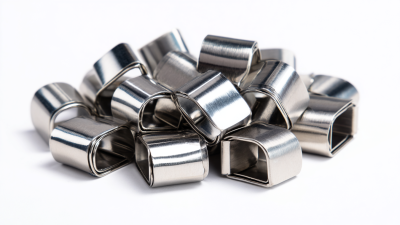
The automotive industry is continuously evolving, and with it comes the need for innovative fastening solutions that enhance efficiency and reliability. One such solution is the EarTeeeh Type Buckles-CX Series, designed to withstand extreme conditions while ensuring optimal performance. These buckles are made from high-quality stainless steel materials, including grades 201, 304, and 316, which offer excellent corrosion resistance and longevity. This feature is particularly vital for automotive applications where durability is essential.
In addition to their robust materials, these buckles are engineered to endure a wide working temperature range from -80℃ to 538℃. This versatility allows automotive manufacturers to utilize them in various settings, from the harsh environments of engine compartments to the more controlled conditions found in passenger cabins. The metallic finish not only provides a modern aesthetic but also contributes to their overall strength and performance, making them an ideal choice for today's fast-paced automotive industry.
Integrating the EarTeeeh Type Buckles-CX Series into automotive assembly processes can significantly enhance efficiency by reducing installation time and minimizing the need for additional fastening components. As industry reports suggest, the adoption of such innovative fastening solutions is critical for manufacturers aiming to streamline production while maintaining high standards of safety and quality.
: Teeth buckle issues refer to misalignment or protrusion of the teeth, often stemming from genetic predisposition, childhood habits like thumb sucking, dental trauma, early tooth loss, or improper dental care.
To address teeth buckle issues at home, maintain a consistent dental care routine that includes brushing and flossing, and practice corrective exercises such as adjusting jaw posture and proper tongue placement.
Effective oral hygiene practices include brushing twice a day with fluoride toothpaste, using dental floss daily, and scheduling regular dental check-ups.
Using a gentle circular motion when brushing helps prevent gum damage, and opting for a soft-bristled toothbrush minimizes irritation, ensuring effective cleaning.
It is recommended to replace your toothbrush every three to four months for optimal cleaning effectiveness.
Yes, using an antibacterial mouthwash can help eliminate bacteria, strengthen gums, and complement your brushing and flossing routine.
Limiting sugary snacks and drinks is important because they can contribute to tooth decay and misalignment, undermining your efforts to maintain a healthy smile.
Yes, consulting with a dentist is vital for obtaining personalized insights and addressing any potential issues early on.
Genetics play a significant role in teeth alignment, as some individuals may be predisposed to have dental alignment problems regardless of their dental care habits.
No, home remedies may not offer immediate results, but they are part of a holistic approach that can lead to gradual improvements in dental alignment and confidence.
Teeth buckle issues can significantly impact one’s smile and confidence. Understanding the underlying causes of these problems is essential for effective management. By assessing the severity of teeth buckle concerns at home, individuals can distinguish between minor issues that may be alleviated with simple home remedies and those that require professional intervention. Incorporating a regular oral hygiene routine and utilizing dental products designed for teeth alignment can further enhance dental health.
For those dealing with mild teeth buckle problems, remedies may include gentle exercises or proper alignment techniques. However, it is crucial to know when to seek professional help to avoid worsening the condition. Maintaining long-term results involves consistent care and attention, ensuring that your smile remains not only beautiful but also healthy. With the right approach, it's possible to fix teeth buckle issues and achieve a brighter, more confident smile.