0%

Navigating the world of global supply chains can be pretty tricky, especially when you're trying to source mini buckles. Did you know that the worldwide buckle market is expected to hit over $3 billion by 2027? That’s a clear sign that demand is really picking up. Mini buckles, in particular, are super important across a bunch of industries—think fashion, automotive, outdoor gear, you name it. Big players like YKK Group and ITW Nexus are dominating the scene, but even they run into their fair share of challenges—especially when it comes to keeping quality high and being sustainable.

As companies look to broaden their sourcing options, they’ve gotta juggle factors like material quality and trusting their suppliers. Sure, many suppliers talk a big game with fancy tech, but let’s be honest—there are still some hidden pitfalls, like inconsistent quality or delays in delivery. Honestly, the kind of mini buckle you choose can really make or break your product’s performance—and that ultimately affects how happy your customers are.

Getting a grip on this market means paying close attention. For instance, about a third of manufacturers say they struggle to find reliable suppliers. That’s why having a smart, strategic approach to sourcing mini buckles is a must. Finding the right balance between cost, top-notch quality, and dependable supply is key if you want to stay competitive in this rapidly changing industry.

How to Source Mini Buckles for Your Global Supply Needs?

Understanding the Mini Buckle Market: Trends and Demand Analysis

The mini buckle market has seen significant growth in recent years. As demand rises, it is essential to understand current trends. Mini buckles are used in various applications, from fashion to industrial settings. Their versatility has attracted numerous manufacturers, leading to a competitive landscape.

Market analysis reveals a shift towards eco-friendly materials. Consumers increasingly prioritize sustainability. This trend impacts sourcing decisions for many suppliers. Companies must adapt to meet this evolving demand. Sourcing from manufacturers who emphasize environmentally responsible practices may strengthen your brand image.

Tips: Research potential suppliers carefully. Check for their industry certifications and past projects. Building relationships with reliable sources will benefit you in the long run. Also, stay updated on market trends to anticipate changes. Using data analytics can give insights into customer preferences over time. These strategies help in aligning your supply chain with market realities.

Identifying Reliable Mini Buckle Suppliers for Global Sourcing

Finding reliable mini buckle suppliers is a crucial step in global sourcing. Start by researching potential manufacturers online. Look for trade platforms that list verified suppliers. It's essential to check their ratings and reviews. This helps gauge their reliability and product quality. Consider establishing direct contact to ask for samples. Evaluating the samples will provide insight into their craftsmanship.

Additionally, attend trade shows related to your industry. Meeting suppliers face-to-face builds trust and establishes connections. It also allows for real-time discussions about your specific needs. Asking critical questions can reveal their production capacities and lead times. Be cautious; not all suppliers may fully meet your expectations. Some might promise more than they can deliver.

Documentation plays a vital role. Request certifications and quality assurance documents. Investigate the supplier’s compliance with industry standards. A reliable supplier should have no issues demonstrating their credentials. On the other hand, some may hesitate or provide vague answers. This could indicate a lack of accountability. Always trust your instincts when assessing potential partners.

Comparative Manufacturing Techniques for Mini Buckles: Pros and Cons

When sourcing mini buckles, various manufacturing techniques can impact quality and cost. Injection molding is one of the most popular methods. It is efficient and provides high precision. However, the initial setup cost can be significant. For small production runs, this might not be economical.

Another technique, die casting, allows for detailed designs. It offers great durability, making it suitable for heavy-duty applications. Yet, the process can be slower and requires additional machining. This can add to overall costs. Each method has its trade-offs, especially in terms of flexibility and lead time.

Tips: Consider your production volume carefully. For small batches, look into 3D printing. This method is cost-effective and rapid, allowing for design iterations without hefty investments. Evaluate the materials used in each technique. Some may offer better environmental credentials or strength, altering your sourcing strategy. Always ask for sample products before making bulk purchases. Understand that not every supplier will meet your standards, and that may take time to find the right fit.

Evaluating Material Quality Standards for Mini Buckles in Industry

How to Source Mini Buckles for Your Global Supply Needs?

When sourcing mini buckles for your global supply needs, assessing material quality is crucial. Different industries demand varied standards for mini buckles. Understanding these standards prevents issues down the line. It saves time and money.

Material selection greatly influences performance. For example, plastic buckles may be lightweight and cost-effective but can compromise durability. Metal buckles often provide strength but can be heavier. Evaluate the specific requirements of your application. Testing each material against industry standards helps ensure reliability and longevity.

Conducting quality assessments is sometimes overlooked. Many suppliers may not guarantee the consistency of their products. Always request samples and assess them thoroughly. Factors like tensile strength, resistance to corrosion, and impact durability matter. It’s essential to establish reliable testing protocols. If standards are not met, reflect on how that impacts your supply chain. Adopting a proactive approach can greatly enhance product satisfaction.

Logistics and Shipping Considerations for Global Buckle Sourcing

When sourcing mini buckles globally, logistics and shipping are crucial aspects to consider. An efficient supply chain can save time and costs. However, issues often arise during transportation. Delays can occur at customs or due to unforeseen circumstances like weather.

Partnering with reliable logistics providers is important. Look for carriers experienced in handling small items like buckles. They should understand regulatory requirements in different regions. Shipping times can vary significantly, impacting inventory levels. Test multiple routes to find the most efficient one.

Additionally, consider packaging and handling procedures. Poorly packed items may get damaged during transit, costing more in replacements. Regularly assess your shipping methods and review feedback from customers. This can lead to improvements in your sourcing strategy over time. Always have contingency plans for unexpected disruptions.

Cost Analysis: Pricing Structures for Mini Buckles Across Regions

When sourcing mini buckles, understanding pricing structures across different regions is crucial. Prices can vary significantly based on local manufacturing costs, labor rates, and material availability. For instance, regions with advanced manufacturing facilities often offer competitive pricing due to economies of scale. It's important to analyze these factors and seek quotations from multiple suppliers.

Conducting a thorough cost analysis involves more than just comparing prices. Hidden costs may arise from shipping fees, tariffs, and local taxes. In some areas, you might find lower base prices, but the overall cost could increase once these fees are factored in. Consider engaging local experts who understand the regional market and can provide insights into potential pitfalls.

Rely on reliable sources of information and data in your analysis. Gauge local trade reports or procurement studies that detail pricing trends in various regions. This will enhance your understanding and help you avoid common mistakes in supplier selection. The journey to finding the right mini buckles can be complex, requiring careful consideration of costs, logistics, and supplier reliability.

Regulatory Compliance and Safety Standards for Mini Buckles in Supply Chains

When sourcing mini buckles for global supply needs, understanding regulatory compliance is crucial. Different regions have unique safety standards that must be met. For instance, materials used in buckles may need to pass certain toxicity tests. Failure to comply can lead to costly recalls or legal issues. Manufacturers often undergo audits to ensure adherence to these standards, which may vary significantly across countries.

Tips: Always verify that potential suppliers provide documentation on their compliance procedures. This helps establish reliability in sourcing. Collaborate with industry experts who can guide you through the compliance labyrinth.

Consider conducting regular audits of your suppliers to ensure adherence to safety regulations. This proactive approach can prevent future complications.

Be mindful that not all suppliers prioritize compliance. Some may overlook important certifications to cut costs. This can affect the quality of your final product. Always ask for references and perform background checks on suppliers. A supply chain assessment can reveal hidden risks. Keeping track of compliance status is essential. It may require additional effort, but it enhances the overall integrity of your supply chain.

Exploring the Versatility and Applications of Screw Type Buckles: An In-Depth Look at the LS Series

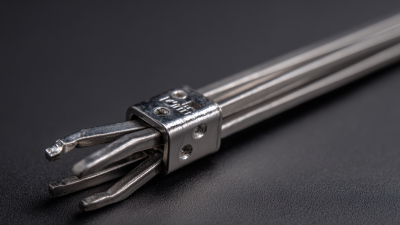
Screw type buckles are increasingly becoming essential components in various industrial and everyday applications, thanks to their robustness and versatility. Specifically, the LS Series of screw buckles is designed to withstand extreme conditions, making them suitable for a range of environments. Constructed from high-quality stainless steel materials such as 201, 304, and 316, these buckles offer impressive resistance to corrosion and deterioration, ensuring reliability over time. This durability is particularly crucial in sectors where safety and performance are paramount.

One of the standout features of the LS Series is its ability to function effectively across a broad temperature range, from -80℃ to 538℃. This makes them ideal for use in diverse settings, from cryogenic applications in scientific research to high-heat environments in manufacturing processes. The metallic finish not only contributes to their aesthetic appeal but also enhances their performance by providing a protective layer against various environmental factors. Whether used in construction, automotive, or marine applications, the adaptability of screw type buckles in the LS Series makes them a preferred choice among engineers and designers seeking reliable fastening solutions.

FAQS

: What has driven growth in the mini buckle market?

: Increasing demand across various applications has fueled significant growth in this market.

Why are eco-friendly materials becoming important for mini buckles?

Consumers prioritize sustainability, influencing manufacturers to consider environmentally responsible sourcing.

What should I check when selecting suppliers?

Research their industry certifications and past projects to ensure reliability in sourcing.

How do manufacturing techniques for mini buckles vary?

Techniques like injection molding, die casting, and 3D printing have different impacts on cost and quality.

What is a cost-effective solution for small production runs?

3D printing is an economical method that allows for quick design changes without high investment.

How can material choices affect mini buckles?

Materials impact performance; lighter plastics may lack durability while metals provide strength but add weight.

What standards should I assess for material quality?

Check for factors like tensile strength, corrosion resistance, and overall reliability for your specific application.

Why is quality assessment important?

Overlooking quality checks can lead to product inconsistencies, impacting supply chain reliability and customer satisfaction.

What is a reflective thought regarding finding suppliers?

It may take time to find the right supplier fit, and patience is essential in this process.

How can data analytics support sourcing strategies?

Keeping updated on market trends helps anticipate changes in customer preferences.

Conclusion

The article "How to Source Mini Buckles for Your Global Supply Needs?" provides a comprehensive guide on navigating the mini buckle market. It begins with an analysis of current trends and demand, emphasizing the growing popularity of mini buckles across various industries. The article then outlines how to identify reliable suppliers for global sourcing, ensuring businesses can secure quality products.

Additionally, it discusses the comparative manufacturing techniques used in mini buckle production, detailing their advantages and disadvantages. Quality standards for materials are evaluated, highlighting their importance in maintaining industry compliance. The logistics and shipping considerations underscore the complexities of global sourcing, while a cost analysis offers insight into pricing structures across different regions. Lastly, regulatory compliance and safety standards are addressed to ensure that sourced mini buckles meet necessary industry requirements, ensuring a reliable and safe supply chain.

Sophie

Sophie

Sophie is a dedicated marketing professional at Daren Technology (Lishui) Co., Ltd., where she leverages her extensive knowledge of the company's innovative products to drive engagement and growth. With a keen eye for detail and a passion for technology, Sophie plays a vital role in maintaining the......
Previous 2026 Best Installation Tool for Global Buyers Who Needs It?