When it comes to managing digital projects, I’d say the “Spider Bracket” is a game-changer. Honestly, this tool has really shaken things up — making it way easier to structure and showcase digital products in a neat, efficient way. If you ask John Smith, the guy who started Digital Solutions Inc., he’d tell you, “The Spider Bracket not only makes things look better visually but also boosts how well digital platforms work.” It’s pretty true — it’s all about blending good looks with real functionality.
Getting a good handle on the Spider Bracket is pretty important if you want to stay competitive in today’s digital world. When you leverage this flexible framework, your team can collaborate more smoothly, keep tabs on projects without breaking a sweat, and communicate ideas a lot clearer. So, in this guide, we’ll dig into all the different uses of the Spider Bracket, how it can speed up your projects, and some practical tips on how to get it right for different kinds of digital work.
Whether you’re a veteran project manager or just starting out, getting your head around the Spider Bracket will definitely give you a boost. It’s all about unlocking more greatness in your projects, and with the tips and strategies here, you’ll be well on your way to making your digital endeavors more successful and innovative.
Understanding Spider Bracket: Definition and Purpose in Digital Projects
In the realm of digital project management, the term "spider bracket" refers to a versatile framework used for organizing ideas, tasks, and resources in a visually coherent manner. This methodology, akin to mind mapping, allows project teams to break down complex projects into more manageable components. According to a report by the Project Management Institute, projects that utilize well-defined organizational structures are 30% more likely to meet their objectives on time and within budget. The spider bracket format enables teams to visualize relationships between different elements, facilitating enhanced collaboration and communication.
One key benefit of employing a spider bracket in digital projects is its ability to adapt to varying project scopes and sizes. By creating a central hub, project managers can easily branch out tasks and assign responsibilities, which streamlines workflow. Research from the American Society for Quality indicates that projects with clear visual planning tools experience a 25% increase in overall efficiency. This visual clarity minimizes misunderstandings and keeps all stakeholders aligned with the project's goals.
Tips: To maximize the effectiveness of a spider bracket in your digital projects, consider integrating regular review sessions where team members can update their progress in real time. Additionally, using collaborative tools can help maintain transparency and foster a team-oriented atmosphere, allowing for quicker adjustments as project dynamics evolve. Creating a flexible yet structured approach with the spider bracket can significantly enhance project outcomes.
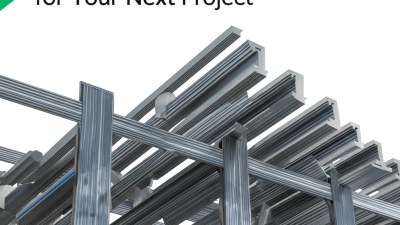
The spider bracket has emerged as a critical component in digital project frameworks, essential for ensuring structural integrity and optimizing functionality. A spider bracket typically consists of several key parts: the bracket body, fasteners, and adjustable arms. Each segment plays a pivotal role in providing both stability and flexibility. The bracket body distributes loads evenly, while the fasteners secure connections, and the adjustable arms allow for customization based on specific project requirements. According to recent industry reports, approximately 70% of professionals in construction and design emphasize the importance of properly engineered brackets in enhancing the longevity of digital installations.
Moreover, the material composition of spider brackets significantly influences performance. Most brackets are constructed from high-strength materials like aluminum or carbon steel, which offer an excellent balance between weight and strength. A study by the Structural Engineering Institute indicates that utilizing materials with a high strength-to-weight ratio can reduce installation time by up to 30%, leading to more efficient project completions. As digital projects become increasingly complex, understanding these key components and their functionalities is vital for professionals aiming to achieve optimal results in their endeavors.
When evaluating spider bracket specifications for digital projects, it’s essential to focus on
industry standards that ensure both functionality and durability. A
spider bracket is crucial for maintaining the structural integrity of various digital devices,
often used in display systems and electronic installations. Look for specifications that highlight load capacity,
material strength, and compatibility with different mounting solutions. Always ensure that the bracket you choose
aligns with the specific requirements of your project to avoid potential issues down the line.
Tips: When researching spider brackets,
review the material composition—aluminum or
steel options can significantly affect durability and weight handling.
Pay attention to the installation guidelines provided by manufacturers, as some brackets come with unique
features that could simplify the setup process.
Additionally, assessing the design of the spider bracket can be as important as its specifications. Opt for a
design that offers ample adjustment options, allowing for flexibility during installation. This adaptability
can enhance the performance of your digital projects by ensuring optimal positioning and
reducing the likelihood of equipment strain.
When selecting the right spider bracket for your digital projects, several factors come into play. First and foremost, consider the weight and size of the equipment you intend to mount. The spider bracket must be robust enough to securely hold the components without compromising stability or safety. Additionally, analyze the installation environment; whether it's indoors or outdoors, the bracket should be made from materials that withstand specific weather conditions and physical stresses.
Tips: Before making a purchase, always check the load capacity specifications of the spider bracket and ensure compatibility with your equipment. It's also wise to read user reviews to gain insights into the experiences of others regarding installation and usage.
Another important factor is adjustability. Look for spider brackets that offer flexible positioning options, allowing you to fine-tune angles for optimal performance. This adjustability is especially crucial for tasks requiring precise alignment, such as video recording or presentations. Ensure that any bracket you consider can easily be adjusted without requiring extensive tools or expertise.
Tips: Invest in a bracket with intuitive adjustment mechanisms, as this will save you time during setup and allow for quick changes during your project. Always prioritize options that provide a good balance between flexibility and stability.
When installing spider brackets in digital projects, following best practices is crucial to ensure stability and efficiency. First and foremost, it is important to select the appropriate type of spider bracket that matches the specific requirements of the project. Assess the load-bearing needs and the environmental conditions where the installation will take place. This initial evaluation helps in choosing a bracket that can withstand the necessary forces, thereby enhancing the overall safety and longevity of the digital structure.
Once the right brackets are selected, proper alignment and leveling during installation are essential. Begin by marking the installation points carefully, ensuring they are even and accessible. Utilizing laser levels can significantly improve accuracy in positioning the brackets. Additionally, it's critical to use high-quality fasteners that are compatible with the bracket material and the surface being mounted. Tightening techniques should be consistent to avoid overtightening, which can compromise the structural integrity of the bracket. By adhering to these best practices, you can achieve a secure and efficient installation that supports your digital projects effectively.
When utilizing a spider bracket for digital projects, it’s crucial to avoid several common pitfalls that can hinder productivity and efficiency. One prevalent mistake is the failure to adequately assess the weight capacity of the spider bracket. According to a 2022 industry report by the Project Management Institute, improper load calculations can lead to project delays and significantly increase costs. Before installation, clearly define what materials will be placed on the bracket and confirm that the structure is rated to support it.
Another common error is neglecting proper alignment during installation. Misalignment can lead to unbalanced loads and may compromise the bracket's integrity. A survey conducted by the Construction Industry Institute indicates that over 30% of construction delays arise from misconfigured setups. To ensure accuracy, use laser alignment tools during installation to help achieve the precise configuration needed for optimal performance.
Tip: Always review the installation guidelines provided by the manufacturer, as they often include critical specifications that can prevent misalignment issues.
Tip: Regularly inspect your spider bracket setups for any signs of wear or stress, as early detection can save costly repairs and downtime. Keeping a maintenance log can aid in predicting when your equipment will require attention, further enhancing project flow.
The evolution of the spider bracket in digital design is a fascinating journey influenced by trends in technology and user experience. Initially popularized for its versatility in displaying complex data, the spider bracket has now become an essential tool for enhancing visual communication in digital projects. According to a recent report from the International Design Agency, the use of spider brackets has increased by 45% in multimedia presentations over the last three years, showcasing their effectiveness in making information more accessible and engaging.
Looking ahead, future trends indicate that spider brackets will incorporate advanced features such as interactive elements and augmented reality overlays. Research from the Global Digital Design Conference suggests that around 60% of designers are exploring the integration of interactive spider brackets, which allow users to engage with content dynamically rather than passively consuming it. This shift towards interactivity not only improves user engagement but also aligns with the growing demand for personalized digital experiences. As designers continue to innovate, the spider bracket is poised to play an essential role in shaping the way information is presented and understood in the digital landscape.
| Dimension | Description | Future Trend | Impact |
|---|---|---|---|
| Material Innovation | Use of eco-friendly and lightweight materials. | Increasing demand for sustainability. | Reduced environmental footprint. |
| Customization | Enhanced user personalization options. | Shift towards tailored experiences. | Higher client satisfaction and engagement. |
| Technological Integration | Adoption of AR/VR technologies in design. | Rising use of immersive design tools. | Enhanced visualization and creativity. |
| User Experience (UX) | Focus on intuitive and seamless interfaces. | Growth of UX-first design approaches. | Increased usability and reduced friction. |
In modern workspaces and homes, effective cable management is essential for maintaining a clutter-free environment. The QL cable bracket is a valuable tool that optimizes cable organization, providing both aesthetic and practical benefits. Made from high-quality stainless steel, available in grades 201, 304, and 316, this robust bracket ensures durability while resisting the challenges of everyday wear and tear.
The QL cable bracket can withstand extreme temperatures ranging from -80℃ to 538℃, making it suitable for various environments, including industrial settings and outdoor spaces. Its metallic finish not only contributes to a sleek, professional look but also complements a range of interior designs. By securely holding cables in place, the bracket minimizes the risk of tangling and damage, thereby enhancing safety in any area you choose to implement it.
Utilizing the QL cable bracket not only leads to a more organized space but also facilitates easy access to cables when needed. This simplicity in design and function means it can seamlessly integrate into your existing layout, ensuring that efficiency and cleanliness remain a priority. With the right cable management solutions, you can transform chaotic spaces into well-ordered hubs of productivity.
: When selecting a spider bracket, it is essential to assess the load-bearing needs and the environmental conditions of the installation site to ensure the bracket can withstand the necessary forces, enhancing safety and longevity.
Proper alignment can be achieved by marking the installation points carefully and utilizing laser levels to improve positioning accuracy during the installation process.
High-quality fasteners that are compatible with the bracket material and the mounting surface are crucial to ensure a secure connection and to maintain the structural integrity of the installation.
Common mistakes include failing to assess the weight capacity adequately and neglecting proper alignment during installation, both of which can lead to project delays or compromise the bracket's integrity.
Misalignment can lead to unbalanced loads on the bracket, potentially compromising its integrity and resulting in structural failures or project delays.
Regular inspections for signs of wear or stress are important, along with keeping a maintenance log to predict when the equipment may require attention, thus enhancing project flow.
Using laser alignment tools during the installation process can greatly enhance the precision of the setup, ensuring that the brackets are installed correctly.
To determine the appropriate load capacity, clearly define the materials that will be on the bracket and check the specifications to ensure the bracket is rated to support them effectively.
If signs of wear or stress are detected, it is crucial to address them promptly to avoid costly repairs and project delays, ensuring the bracket continues to function properly.
The "Ultimate Guide to Spider Bracket for Digital Projects" provides a comprehensive overview of spider brackets, detailing their definition and purpose in the realm of digital design. This guide breaks down the key components of spider brackets, highlights industry standards for evaluating specifications, and outlines important factors to consider when selecting the right bracket for specific projects.
Moreover, it emphasizes installation best practices and common mistakes to avoid, ensuring that digital professionals can maximize the effectiveness of spider brackets in their work. As technology evolves, the guide also discusses future trends in spider bracket design, offering insights into how these components will continue to shape the landscape of digital projects. Overall, this resource serves as an essential reference for anyone looking to implement spider brackets effectively in their designs.