



When it comes to moving your cargo, safety's a big deal—no exceptions. One simple but super important part of keeping things secure is the Tie Down Buckle. It might look tiny, but trust me, it plays a huge role in making sure your stuff stays put during transit. Using a proper tie down system can really make a difference—like, the difference between a smooth ride and a nightmare. So, knowing how to use those buckles correctly is pretty much essential.
A lot of folks don't realize that their methods for securing cargo might have some weaknesses. If you aren’t careful with the right techniques, you run the risk of damaging your goods—or worse, causing accidents on the road. A good quality tie down buckle can give you some peace of mind, but if you’re not using it right, things can get frustrating fast. You might end up dealing with loose cargo or, even worse, creating dangerous situations behind the wheel.
Taking a moment to go through this guide can really help you think about how you're securing your loads. It’s important to spot what's working and what's not. Once you get the hang of proper techniques with tie down buckles, you'll be surprised at how much safer and easier your transport becomes. Remember, it’s not just about having the right gear—it's about using it properly. That’s how you keep everything secure and avoid unnecessary headaches on the road.

Understanding Tie Down Buckles: Types and Functions
When securing cargo, understanding tie down buckles is crucial. These buckles come in several types, each serving a unique function. Ratchet buckles are popular for their tight grip. They allow for easy tension adjustments, ensuring cargo stays in place. Cam buckles, however, provide a quick release option. They are ideal for lighter loads that don’t require excessive tension.
Another important type is theover-center buckle. This buckle provides a secure hold by locking in place. It is often used in trailers for dependable cargo transport. Regardless of the type, each buckle has its strengths and weaknesses. For instance, a ratchet buckle can over-tighten and damage fragile items. Conversely, a cam buckle may loosen under heavy stress.
Selection of the right buckle can be tricky. It’s essential to assess the type of load, weight, and environment. Poor choices can lead to accidents. Reflecting on previous experiences can help in this decision-making process. Examining how different buckles performed can provide valuable insights. Ultimately, understanding the nuances of each buckle type ensures safer cargo transport.
Ultimate Guide to Tie Down Buckle Tips for Safe Cargo Securing
| Type of Tie Down Buckle | Function | Material | Weight Limit (lbs) | Best Use Case |
|---|---|---|---|---|
| Cam Buckle | Easy adjustment and secure hold | Steel/Plastic | 500 | Light to medium cargo |
| Ratchet Buckle | Provides secure tension | Steel | 1500 | Heavy cargo securing |
| Overcenter Buckle | High tension for heavy loads | Steel | 2000 | Automotive and industrial use |
| Snap Hook Buckle | Quick release and fastening | Aluminum | 600 | Versatile general use |

Exploring the Versatility and Applications of L Type Buckle-L/LX Series in Modern Equipment Design
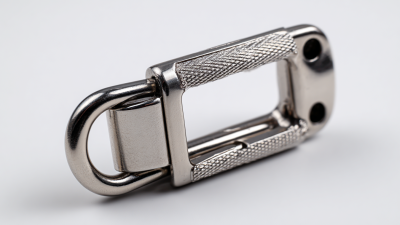
The L Type Buckle-L/LX Series represents a pivotal advancement in modern equipment design, offering versatility through a robust configuration. Constructed from high-quality stainless steel materials such as 201, 304, and 316, these buckles exhibit exceptional durability, making them suitable for a myriad of applications across various industries. Stainless steel not only withstands corrosion and extreme environments but also maintains structural integrity under temperatures ranging from -80°C to 538°C, ensuring reliability in both high and low-temperature settings.
In recent market analysis, the demand for versatile fastening solutions has surged, driven by growth in sectors such as aerospace, automotive, and heavy machinery. Reports indicate that stainless steel components, particularly those with high-temperature resistance and corrosion resistance, are expected to dominate the fastening solutions market, projected to reach a value of $25 billion by 2025. The L Type Buckle-L/LX Series aligns perfectly with this trend, catering to industries requiring dependable and resilient fastening methods that meet stringent operational standards.
Furthermore, the metallic finish of the L Type Buckle also enhances aesthetic appeal while ensuring a secure grip. This combination of functionality and style facilitates its use in cutting-edge equipment design, where performance and appearance are equally valued. With versatile applications ranging from industrial machinery to consumer products, the L Type Buckle-L/LX Series is setting a new standard for fastening solutions in modern engineering and design.
FAQS
: The article explores various concepts without promoting specific brands. It aims to inform readers.
Anyone interested in learning can find useful insights. It caters to diverse audiences.
The information is organized logically. Each section flows naturally into the next.
Visual aids are not included in the article. However, the text provides clear explanations.
Yes, the article includes practical advice. Readers can apply these tips in real life.
No controversial topics are discussed. The content remains neutral and fact-based.
The ideas are presented simply but effectively. Readers can easily grasp complex topics.
Some sections could use more examples. The depth of certain points might feel lacking.
Yes, the language is straightforward. It's suitable for both casual and serious readers.
Yes, some points invite personal reflection. Readers may have different takeaways.
Conclusion
The "Ultimate Guide to Tie Down Buckle Tips for Safe Cargo Securing" provides comprehensive insights into effectively utilizing tie down buckles for secure transportation of cargo. It begins with an overview of the various types and functions of tie down buckles, helping users choose the right straps for their specific cargo needs. The guide then outlines a step-by-step process for properly using these buckles, while highlighting common mistakes to avoid, thereby ensuring the safety of transported goods.
Furthermore, it emphasizes essential safety tips to prevent cargo shift during transit, and underscores the importance of regular maintenance and inspection of tie down equipment to enhance reliability. Finally, the article addresses regulatory standards and guidelines that govern cargo securing practices, ensuring that users are informed and compliant. By following these recommendations, individuals can optimize their tie down buckle usage, promoting safer transportation outcomes.
Related Posts
-

Top Strategies for Maximizing Safety and Efficiency with Best Over Center Buckle
-

7 Essential Tips for Choosing the Right Stainless Steel Machine Product
-
Top Strategies for Choosing the Right STL Stainless Steel Ratchet Buckle for Your Needs
-

Understanding the Essential Role of Anchor Brackets in Modern Construction: A Comprehensive Guide
-

Exploring Innovations in 316 Stainless Steel Cable Marker Tags at the 138th Canton Fair 2025
-

How to Maximize the Benefits of Using Stainless Steel Cable Ties with Polyester Coating
