




The type of fastener you select plays an important role in keeping cables, wires, or other items secure. Stainless Steel Cable Ties are becoming widely popular due to their strength, durability, and versatility. But are they really your best option? This article will explore the pros and cons of using stainless steel cable ties, as well as provide answers to commonly asked questions about these types of fasteners.
What Are Stainless Steel Cable Ties?
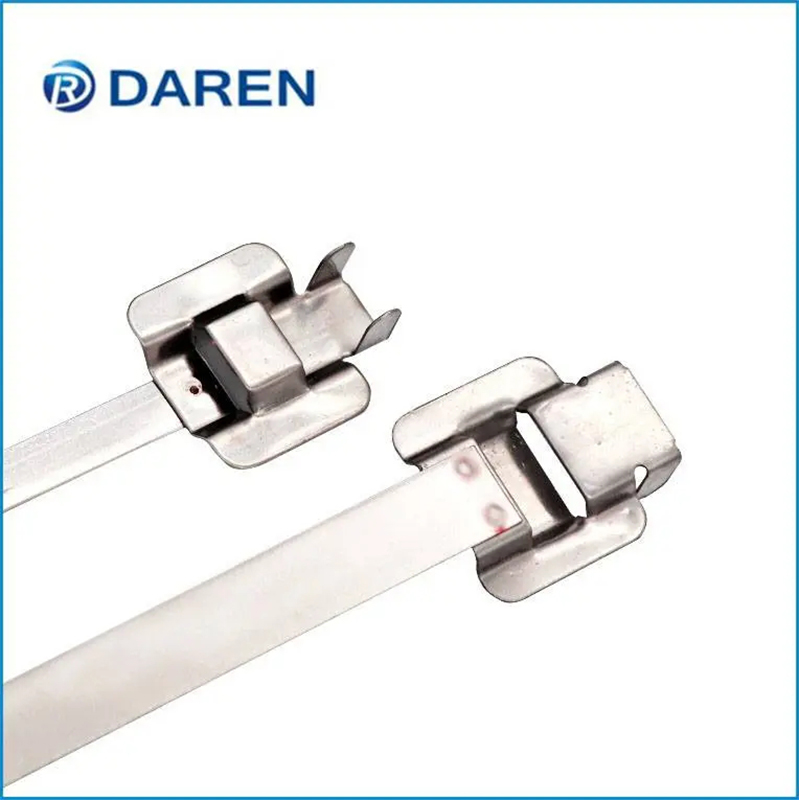
Stainless Steel Cable Ties are fasteners made primarily from stainless steel, a material known for its exceptional corrosion resistance, strength, and longevity. These types of cable ties are specifically made for high-stress environments and are designed to withstand extreme conditions. Stainless steel cable ties are frequently used in many industries, especially in construction, transportation, oil and gas, and marine applications.
Stainless Steel Cable Ties are significantly stronger than plastic zip ties and are an excellent choice when normal plastic zip ties degrade or fail due to exposure to UV rays, chemicals, or extreme temperatures.
How Do Stainless Steel Cable Ties Work?
A stainless steel cable tie works by wrapping itself around objects and locking into place using an internal locking mechanism, similar to a plastic zip tie. Most stainless steel cable ties are self-locking and use either a ball lock or a ratcheting tooth mechanism. Simply insert the tail into the locking head, pull it tight, and the tie securely locks in place.
Stainless steel cable ties also offer the option of being releasable. Releasable ties allow you to loosen the tie and then reuse it without damaging the tie. A releasable cable tie can be especially useful for situations requiring frequent adjustments or reorganizations.
The Benefits of Stainless Steel Cable Ties
Stainless steel cable ties provide many benefits that make them a great option for different applications:
- Strength: Compared to nylon or nylon composite materials, stainless steel is much stronger, making these ties suitable for applications involving heavy loads. They can hold large weights securely without breaking or bending.
- Weather Resistance: Stainless steel cable ties do not rust or corrode due to weather conditions and remain unaffected by extreme temperatures or environmental elements, such as intense sunlight or salty sea air.
- Temperature Tolerance: Stainless steel cable ties perform well in both high and low-temperature environments and can typically withstand temperatures ranging from -112°F (-80°C) to 1000°F (538°C).
- Longevity: While plastic cable ties become weaker and eventually break as they age, stainless steel cable ties last for many years, making them ideal for long-term projects.
- Fire Resistance: Since they are made of metal, stainless steel cable ties are naturally flame-resistant, suitable for use in fire-sensitive industries.
Considerations for Using Stainless Steel Cable Ties
While stainless steel cable ties are a great option, they are not universally ideal and should be evaluated against certain drawbacks:
Cost: Stainless steel cable ties tend to be more expensive than nylon cable ties; their long-term durability and performance often outweigh the higher upfront cost, particularly in demanding environments.
Weight: Due to the higher density of the material, stainless steel ties are heavier than plastic ones. While this is not a significant issue in industrial or heavy-duty applications, it could be less suitable for lightweight tasks or portable equipment.
Surface Damage: In certain cases, the sharp edges of stainless steel ties may damage the items they secure, especially if movement or vibration is involved. This issue can be mitigated by using coated stainless steel ties, which have a protective layer that limits abrasion.
How Long Do Stainless Steel Cable Ties Last?
The lifespan of stainless steel cable ties largely depends on the environment in which they are used. Thanks to their corrosion resistance and strength, they can last for decades in ideal conditions, even in harsh industrial or marine settings. Their durability far exceeds that of plastic cable ties, which often degrade due to UV radiation and wear over time.
Is Stainless Steel 100% Rust-Proof?
While stainless steel is highly resistant to rust, it is not entirely rust-proof. The chromium content in stainless steel forms a protective oxide layer that prevents rusting under normal conditions. In highly corrosive environments, such as those with constant exposure to saltwater or harsh chemicals, even stainless steel can eventually show signs of corrosion. Opting for higher-grade stainless steel, such as 316 stainless steel, can enhance rust resistance.
Industries That Use Stainless Steel Cable Ties
Stainless steel cable ties are widely used across various industries:
- Construction: Perfect for securing scaffolding, ducts, and cables on construction sites.
- Maritime and Offshore: Indispensable for marine applications and oil rigs due to their excellent resistance to saltwater.
- Automotive: Suitable for securing parts exposed to high temperatures and mechanical stress.
- Aerospace: Preferred for their lightweight strength and resilience, which are crucial in aviation and space exploration.
- Utilities: Commonly used for cable management in power grids and telecommunications.
Choosing the Right Stainless Steel Cable Tie
When selecting stainless steel cable ties, consider the specific requirements of your project:
- Choose the appropriate strength rating based on the load. Stainless steel cable ties come in various widths and tensile strengths.
- If flexibility and reusability are important, opt for stainless steel cable tie-releasable ties.
- Use coated stainless steel ties if you’re securing sensitive surfaces that could be scratched or damaged by the tie’s edges.
- For harsh environments, select high-grade stainless steel, such as 316 stainless steel, for better corrosion and chemical resistance.
Conclusion
Are stainless steel cable ties a good option? Absolutely! Their unmatched durability, resistance to extreme environmental factors, and longevity make them a reliable solution for various applications. From construction sites to marine environments, they consistently prove their worth. While they come with a higher price tag and are heavier than plastic alternatives, their numerous advantages make them a valuable investment. By evaluating your specific needs and choosing the right type, you’ll find stainless steel cable ties deliver exceptional long-term value.
Post time: Apr-07-2026