




For those working in construction, shipbuilding, outdoor installations, or harsh industrial environments, plastic cable ties often fail prematurely due to sunlight, moisture, temperature variations, or the effects of chemicals, becoming brittle and unreliable. Many consider switching to stainless steel cable ties. Designed for durability and long-term performance, stainless steel cable ties withstand harsher environments than plastic ties, providing a stronger and more reliable fastening solution where true durability is required.
What Are Stainless Steel Cable Ties?
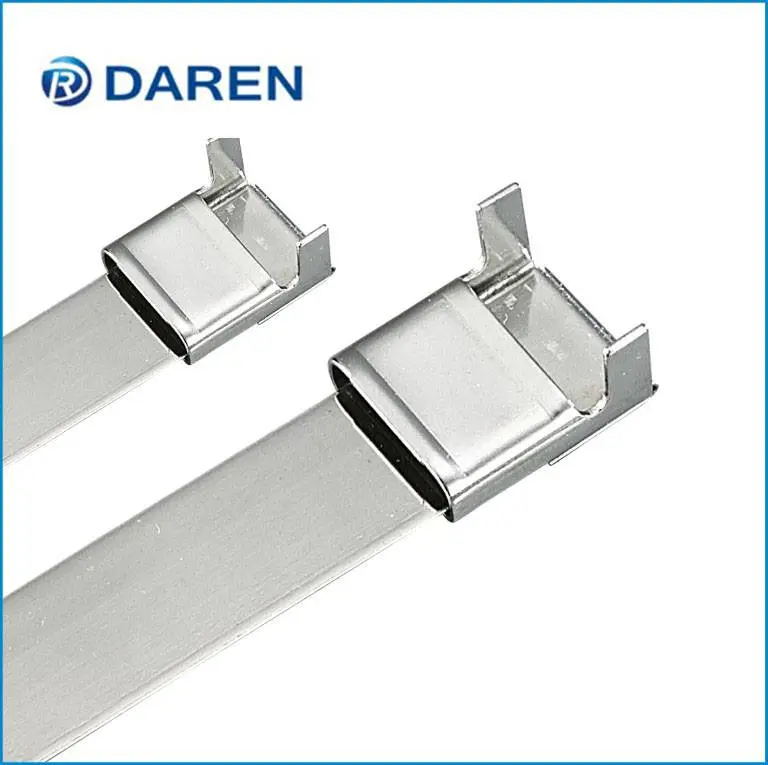
Stainless steel cable ties are durable fasteners made from corrosion-resistant steel, commonly Type 316 or 304. Like standard zip ties, they are used to bundle and secure items, but are built for long-term or permanent applications where strength, weather resistance, and fire safety are important. Unlike plastic versions, they do not degrade from UV light, temperature extremes, or exposure to chemicals, offering reliable performance in demanding conditions.
Key Advantages of Using Stainless Steel Cable Ties
1.Superior Durability and Strength
Made from high-tensile steel, these ties offer excellent mechanical strength and can handle heavier loads and higher tension than most plastic versions. They resist stretching, impact, and abrasion far better over time.
2.Exceptional Corrosion Resistance
Type 316 stainless steel ties perform well in moist, salty, or chemically active environments—think marine applications, coastal structures, wastewater treatment plants, or outdoor infrastructure.
3.Wide Temperature Tolerance
Whether in freezing cold or intense heat, stainless steel cable ties maintain their integrity. They won’t become brittle in sub-zero conditions or soften and deform under high heat, making them suitable for HVAC, automotive, or industrial equipment near heat sources.
4.Fire Resistance and Safety
Unlike plastic ties, stainless steel doesn’t combust or emit toxic fumes when exposed to flames, which adds a layer of safety in electrical panels, fire-prone areas, or public infrastructure.
5.Long Service Life with Low Maintenance
Once installed correctly, stainless steel ties typically require no replacement or adjustment, reducing long-term maintenance effort and cost.
Where Do They Work Best?
These ties are particularly useful in demanding settings such as:
- Marine and offshore installations (securing cables on boats, docks, or oil rigs)
- Outdoor construction and civil engineering (bridges, fencing, railings)
- Industrial plants with high heat, humidity, or chemical exposure
- Electrical and mechanical installations in harsh environments
- Agriculture, mining, and transportation equipment
- Art installations, sculptures, or architectural features requiring discreet but robust fastening
Points to Consider Before Use
While highly effective, stainless steel cable ties aren’t always the go-to for every situation. They are generally more expensive than plastic ties and require tools like tensioning tools or cutters for installation and removal. For indoor, lightweight, or temporary bundling, plastic ties may still be a practical choice. Also, because they conduct electricity, care should be taken near live electrical components unless properly insulated.
Final Thoughts
So, are stainless steel cable ties good? If you need a strong, weatherproof, and long-lasting fastening solution for tough conditions, they are an excellent option. While not necessary for every task, their durability and resistance to environmental stress make them a reliable choice for professionals who value performance over the long term. Understanding where and why to use them can help you decide if they’re the right fit for your project—especially when failure is not an option.
Post time: Dec-30-2025