




When it comes to securely bundling, fastening, or organizing cables and pipes, choosing the right cable tie can make a significant difference. While stainless steel cable ties might not be as commonly discussed as their plastic counterparts, they are essential in various industrial and demanding environments. But are stainless steel cable ties truly good? Let’s dive into their features, benefits, and potential drawbacks, so you can decide if they meet your specific needs.
What Are Stainless Steel Cable Ties?
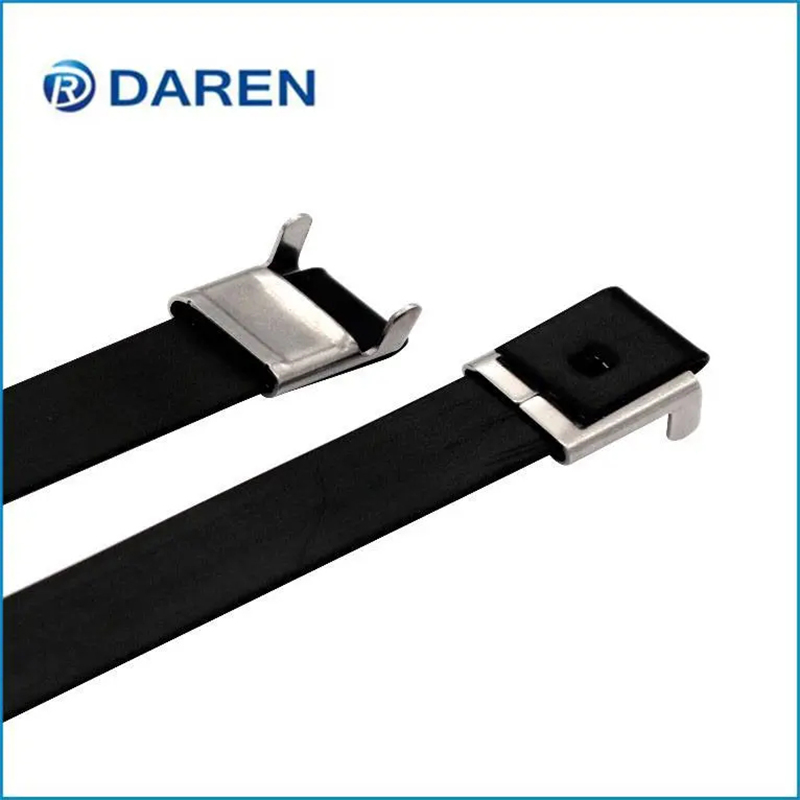
Stainless steel cable ties are durable, metal fasteners commonly used in applications that require strength and resilience. These ties are made from high-grade stainless steel, offering a superior level of performance compared to traditional nylon or plastic cable ties. They come in various styles, including Stainless Steel Cable Ties-L Type Ties, which are designed for unique applications requiring extra security or precision.
Are Stainless Steel Cable Ties Strong?
The short answer is yes; stainless steel cable ties are exceptionally strong. Their high-tensile strength allows them to handle heavy loads and resist impact, making them ideal for industrial purposes, construction, and even extreme environments. Unlike plastic ties, which may snap if overloaded or exposed to wear and tear, stainless steel ties excel in maintaining their integrity under pressure.
- Durable under heavy loads: Stainless steel ties can handle weights that would typically cause plastic ties to break.
- Corrosion-resistant: Thanks to their composition, stainless steel ties perform well in both indoor and outdoor applications, even in harsh weather conditions.
- Fire resistance: These ties are less prone to damage from heat, making them suitable for environments with high temperatures.
Are Stainless Steel Cable Ties Better Than Plastic?
While plastic cable ties have their advantages, stainless steel cable ties outshine them in various scenarios. For instance, in industries like aerospace, marine, or oil and gas, where extreme conditions are standard, the durability and longevity of stainless steel ties make them a superior choice.
However, for low-load or temporary uses, plastic cable ties might be more cost-effective and flexible. Stainless steel ties work best in settings where reliability and endurance are non-negotiable, such as securing heavy-duty equipment or bundling cables in corrosive environments.
What’s the Main Disadvantage of Stainless Steel Cable Ties?
While their strengths are plentiful, stainless steel cable ties do have a few drawbacks:
- Cost: Stainless steel ties are generally more expensive upfront than plastic ones.
- Limited flexibility: Unlike plastic ties, stainless steel ties are rigid and less adaptable to irregularly-shaped objects.
- Potential surface damage: If not installed correctly, they may scratch or damage delicate surfaces or cables.
Considering these factors, it’s vital to evaluate your specific use case before committing to stainless steel ties.
What Is the Best Material for Cable Ties?
The “best” material for cable ties ultimately depends on your application. Nylon ties are cost-effective and suitable for general-purpose use, especially in indoor settings. Stainless steel ties, on the other hand, reign supreme when it comes to durability, high-tensile strength, and resistance to extreme conditions. There’s also the option of coated stainless steel cable ties, which provide the same strength while reducing the risk of surface damage.
When Should You Use Stainless Steel Cable Ties?
Here’s when stainless steel cable ties are the best choice:
- Outdoor use: Perfect for outdoor applications where exposure to UV rays, saltwater, or varying temperatures is a concern.
- Industrial environments: Essential for heavy-duty tasks in factories, shipyards, and oil rigs.
- Fire-prone areas: Their fire-resistant nature ensures safety in high-temperature settings.
- Long-term applications: Their robustness makes them suitable for permanent installations.
FAQs About Stainless Steel Cable Ties
If you’re still unsure whether stainless steel cable ties are the right choice for you, here are answers to some common questions:
Are stainless steel cable ties strong?
Yes, they offer superior tensile strength and are designed to withstand heavy loads and extreme conditions, making them one of the strongest fastening solutions available.
Are stainless steel cable ties better than plastic?
For applications requiring durability, resistance to weather conditions, and fireproofing, stainless steel ties are far superior to plastic ones. For lighter or temporary tasks, plastic may suffice.
What’s the main disadvantage of stainless steel?
The main disadvantages are their higher cost, lower flexibility, and the potential for surface damage if improperly installed.
What is the best material for cable ties?
Nylon is best for light and temporary tasks, while stainless steel is ideal for robust, demanding environments.
Conclusion
So, are stainless steel cable ties good? Absolutely. While they may come at a higher price point and lack the flexibility of plastic, their unmatched durability, resistance to harsh conditions, and high-tensile strength make them the go-to choice for heavy-duty and long-term applications. By understanding your specific needs and the distinct advantages of stainless steel cable ties, you can make an informed decision that ensures the security and longevity of your installations.
Post time: Apr-02-2026