




A reliable Cable Bracket does more than hold a cable in place. It protects the cable jacket, maintains the correct bend radius, reduces strain, and keeps installations neat and easy to maintain. This guide explains cable bracket types, materials, selection criteria, and basic installation steps.
What Is a Cable Bracket?
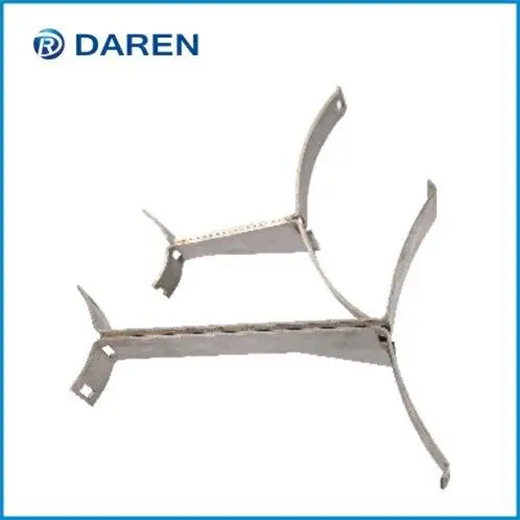
A cable bracket is a support component used to secure, guide, suspend, or store cables on walls, poles, ceilings, cable trays, cabinets, and other structures. It may support a single cable, a bundle, fiber optic drop cable, or extra cable length for future maintenance.
Unlike simple cable ties, brackets provide a fixed support point. They are especially useful where cables may be affected by vibration, wind, weight, temperature changes, or regular maintenance.
Common Types of Cable Brackets
Wall-Mounted Brackets
These brackets attach to concrete, brick, wood, metal, or drywall. They are common in telecom rooms, buildings, utility areas, and exterior wall installations. Depending on the design, they may use hooks, clips, or covers.
Pole-Mounted Brackets
Pole brackets are used on utility and communication poles. They are usually attached with bolts or stainless steel bands and can support aerial telecom cable, drop cable clamps, and fiber accessories.
Drop Cable Brackets
A drop cable bracket is commonly used in FTTH installations. It provides a secure mounting point for fiber optic drop cable clamps at poles, buildings, and customer premises. Check the compatible cable diameter, clamp type, and load rating before purchase.
Drop Cable Storage Brackets
A drop cable storage bracket holds spare cable in a neat loop for future repairs or reconnections. It should provide enough space to maintain the cable’s recommended minimum bend radius, especially for fiber optic cable.
J-Hooks and Clamp Brackets
J-hooks are suitable for indoor data, security, and fiber cables. Clamp and saddle brackets hold cables more firmly and are useful where vibration or vertical routing may cause movement.
Material Options
The best material depends on the installation environment and required strength.
- Galvanized steel: Strong and economical for many indoor and sheltered outdoor applications.
- Stainless steel: Ideal for coastal, wet, chemical, and demanding outdoor environments.
- Aluminum: Lightweight and corrosion-resistant, but better suited to light or medium loads.
- Nylon or engineering plastic: Lightweight and non-conductive; confirm UV and temperature resistance before outdoor use.
How to Choose the Right Bracket
First, identify the cable type and outside diameter. The bracket must hold the cable securely without crushing the jacket or restricting its bend radius. Next, consider the total cable weight, support spacing, wind or vibration, and whether the cable is installed vertically.
Match the bracket and fasteners to the mounting surface. Concrete, brick, wood, steel, and poles require different fixing methods. For outdoor projects, also consider UV exposure, rain, salt spray, temperature changes, and corrosion.
It is wise to allow some extra capacity for future cables. An accessible and expandable cable route can reduce maintenance costs later.
Installation Steps and Tips
- Plan the route: Mark the cable path and avoid heat sources, sharp edges, moving equipment, and water entry points.
- Set support points: Use closer spacing for heavy cables and vertical runs. Follow manufacturer instructions and local codes.
- Choose suitable fasteners: Use corrosion-resistant hardware outdoors and avoid incompatible metals where possible.
- Fix the bracket: Install it firmly and avoid overtightening plastic components.
- Route the cable: Do not twist, kink, pinch, or pull the cable excessively. Maintain the minimum bend radius.
- Inspect the installation: Check for sagging, cable strain, sharp edges, and loose hardware.
When installing fiber optic drop cable, use a bracket and clamp designed for the cable type. Store spare loops smoothly and avoid tight bends or excessive cable tie pressure.
Frequently Asked Questions
What is the best material for outdoor use?
Stainless steel is usually the best option for harsh or coastal environments. Galvanized steel works well in less aggressive conditions, while UV-resistant plastic may suit lightweight cables.
How far apart should cable brackets be installed?
Spacing depends on cable weight, diameter, direction, and local requirements. Heavy cables and vertical runs generally need closer support.
Can a bracket be used for fiber optic cable?
Yes, provided it supports the cable without sharp bends, crushing, or excessive tension. FTTH projects should use fiber-compatible brackets and clamps.
What should I ask a supplier?
Confirm the material, cable diameter range, load rating, mounting hole size, corrosion protection, UV resistance, and available samples or technical drawings.
Choosing the right Cable Bracket improves cable protection, installation appearance, and long-term reliability. By matching the bracket type, material, load capacity, and mounting method to the application, you can create a safer and easier-to-maintain cable management system.
Post time: Sep-03-2026