




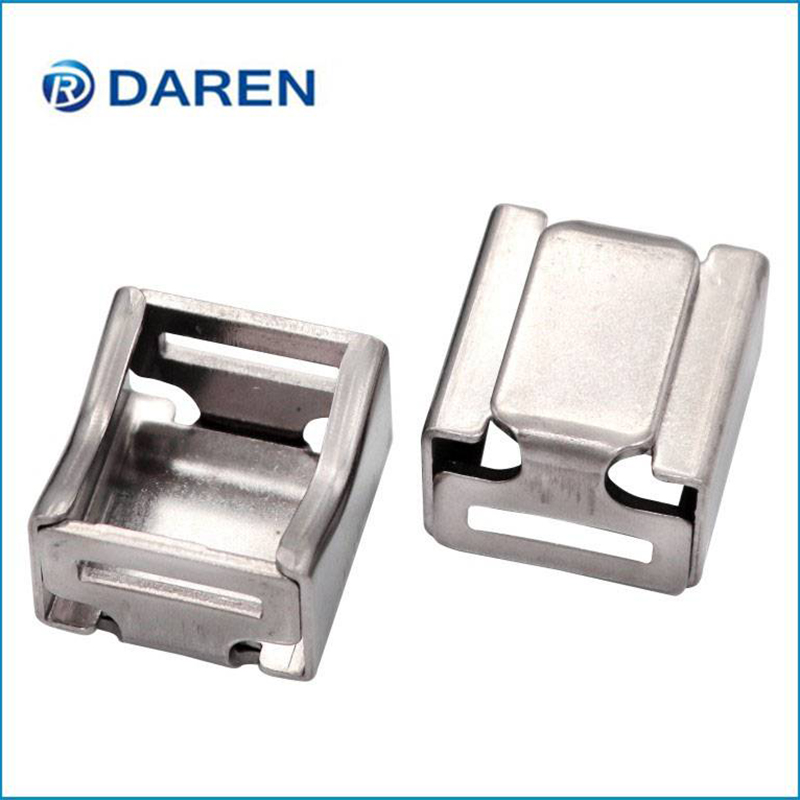
It’s a common question when choosing hardware: does stainless steel break, or does it bend? The simple answer is that quality stainless steel is designed to bend under extreme stress rather than snap suddenly. This ductility the ability to deform without breaking is a key reason why a stainless steel buckle is a reliable choice for critical applications. It offers a vital margin of safety, warning you through deformation before any catastrophic failure occurs.
What Makes Stainless Steel Buckles So Resilient?
A stainless steel buckle isn’t just “metal”; it’s typically crafted from grades like 304 or 316 stainless steel. These alloys combine iron with chromium and nickel, creating a material with an excellent balance of strength and flexibility. Under forces that would cause inferior materials to fracture, the crystalline structure of stainless steel allows it to yield and bend first. This characteristic is crucial for hardware that must endure unexpected loads, impacts, or stress over time.
Key Advantages of Choosing a Stainless Steel Buckle
1. Predictable Performance Under Stress: The bend-don’t-break nature provides a safety buffer. You’re more likely to notice a deformed buckle during inspection than be surprised by a sudden, clean break.
2. Corrosion Resistance: Unlike ordinary steel that rusts and weakens, stainless steel resists water, chemicals, and weather. This ensures the buckle’s inherent strength isn’t compromised over years of use.
3. Long-Term Strength & Reliability: It maintains its integrity in harsh environments, from marine settings to industrial use. You won’t face the brittleness that plagues plastic or the rust that destroys plain steel.
4. Versatility for Demanding Uses: This combination of durability and resilience makes it suitable for applications where failure is not an option, safety gear, heavy-duty straps, outdoor equipment, and transportation securing.
Where to Use Stainless Steel Buckles for Maximum Benefit
Consider upgrading to a stainless steel buckle for any application where both strength and environmental resistance are priorities:
·Marine & Outdoor Gear: For boat rigging, tie-downs, and backpack straps exposed to saltwater and sun.
·Safety & Fall Protection Equipment: As a critical component on harnesses and lifelines where material integrity is paramount.
·Industrial & Transportation Securing: For heavy-duty straps used in trucking, construction, and logistics.
·High-Value Recreational Equipment: climbing gear, tactical equipment, or premium luggage that must endure rough handling.
Making the Right Choice for Your Needs
When selecting a buckle, consider the specific grade of stainless steel. Type 316 offers superior corrosion resistance for marine environments, while 304 provides excellent all-purpose durability. Always match the buckle’s load rating to your intended use, with a significant safety margin.
While no material is indestructible, a well-made stainless steel buckle is engineered to bend under extreme duress, giving you a clear warning. This predictability, combined with its rust-resistant strength, makes it a smart, long-term investment for securing what matters most. By understanding this “bend vs. break” principle, you can choose hardware that offers both performance and peace of mind.
Post time: Jan-15-2026