




Stainless steel is a wonderful material that can be used in many different ways and has many different uses including but not limited to; building materials, cooking utensils, medical supplies, and jewelry. What is it that makes stainless steel “stainless”? How does the combination of different metals together create the special properties found in stainless steel? In this article, we will break down the different elements found in stainless steel, explain the different types of stainless steel available, and answer common questions to help you choose the right type of stainless steel for your needs.
Stainless Steel – How It’s Made
Stainless steel is NOT a single pure metal; it is an ALLOY made up of a combination of metals such as Iron, Carbon, Nickel, Chromium, Molybdenum, etc. Each of these metals, when combined, creates the unique characteristics and benefits of using stainless steel. Austenitic stainless steels such as 304 and 316 contain:
- Iron: A large percentage of the iron in stainless steel is utilized to create the steel alloys.
- Chromium: Most stainless steel materials have at a minimum 10.55% Chromium. This is the metal that will form a protective oxide layer on the surface of the steel and make it resistant to corrosion.
- Carbon: A small percentage of carbon is added to stainless steel in order to provide strength and hardness.
- Nickel: Commonly added to provide enhanced corrosion resistance and assist with the formability and toughness of the metal.
- Manganese: This element enhances the durability and resistance to wear and tear of stainless steel.
Certain stainless steel grades/utilization may also include additional elements/mix-ins such as Molybdenum, Nitrogen, or Copper to augment certain properties.
Types of Stainless Steel
Stainless steel is available in many types/grades and utilizes specific materials for specific uses. Below are a few examples of the most commonly used grades:
304 Stainless Steel
This material has many excellent properties characterized by good corrosion resistance and a high degree of ductility. The chemical composition of 304 consists of approximately 18% to 20% chromium and approximately 8% to 10.5% nickel. 304 is typically used in kitchenware, cutlery, and sink fabrication.
316 Stainless Steel
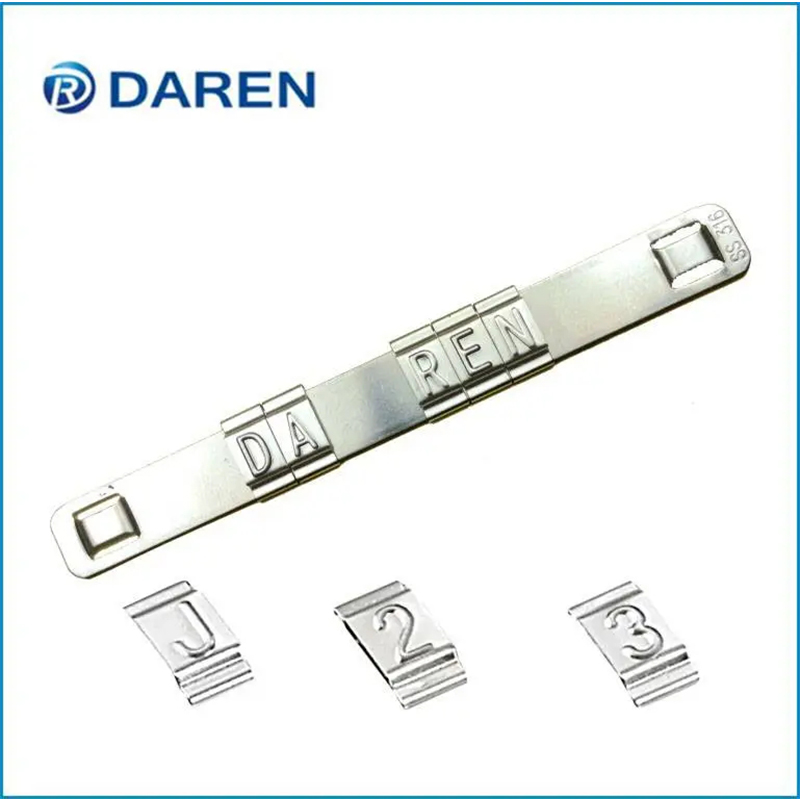
316 is a corrosion-resistant alloy that is superior to 304 and therefore makes an excellent marine or chemical use material. Molybdenum is added to 316 in an amount of approximately 2.0% to 3.0%; the addition of molybdenum enhances 316′s ability to withstand the corrosive effects of chemical compounds such as chlorides. Evaluated products such as a stainless steel buckle (316) are frequent in businesses that need good durability.
430 Stainless Steel
In this grade, due to having more iron and less nickel, it is in the ferritic family of steels and is mostly used for decorative purposes or in applications where resistance to high temperatures is required.
Frequently Asked Questions About Stainless Steel
What is the difference between 304 and 316 stainless steel?
The main difference lies in their chemical composition. The 316 grade contains an alloying element called molybdenum, which enhances its corrosion resistance against chlorides and other highly corrosive chemicals. 316 is ideal for marine environments and applications involving chemicals, while 304 is more suitable for general-purpose use.
Is stainless steel a pure metal?
No, stainless steel is not a pure metal. It contains mostly iron and chromium and also may include elements such as carbon, nickel, or molybdenum to improve the properties of the base metal. The combination of these multiple elements provides the highest durability and resistance to corrosion.
Is stainless steel good or bad?
Stainless steel is considered an excellent material for many applications due to its durability, corrosion resistance, recyclability, and low maintenance. However, it may not be the ideal choice for projects with tight budgets or those requiring materials with extreme lightweight properties, such as aluminum. Overall, stainless steel is a very dependable and long-lasting material.
Reasons Why Stainless Steel Is So Popular
Stainless steel is widely popular for its unique combination of properties:
- Corrosion Resistance: This is made possible by its ability to resist rusting and staining, which is advantageous in the presence of moisture or chemicals.
- Strength & Durability: Stainless steel is a very strong material that has an extensive range of tolerances and doesn’t fail under temperature and stress.
- Eco-Friendly: Recyclability makes stainless steel an environmentally sustainable choice.
- Versatility: Capable of many applications ranging from medical instruments to decorative products.
Conclusion
In summary, stainless steel is an exceptional material with much versatility and many applications due to its unique composition and attributes. Stainless steel contains mostly iron, chromium, and other metals, such as nickel and molybdenum, that are used in combination to create an object that resists corrosion better than other materials, and is stronger and more durable.
With different grades, such as 304 and 316 stainless steel, there are tailored solutions to meet the various demands of the industry. When deciding whether to use a 316 stainless steel buckle (for a marine-related application) or a 304 stainless-steel sink (for a residential application), being aware of its composition and capabilities is essential to ensuring the most informed decision is reached. Because of its sustainability and many other attributes, stainless steel will continue to be one of the foundation products for modern manufacturing and design.
Post time: Mar-26-2026