




Stainless steel cable ties provide superior strength and durability compared to regular ties due to their stainless steel material. Furthermore, knowing how to properly install and tighten a stainless steel tie can extend the life of your tie while maximizing security. This article will cover everything you need to know about stainless steel cable ties from materials, types of cable ties, best practices to avoid improper or unsafe installation, and some best practices for ensuring your project is successful.
What Are Stainless Steel Cable Ties?
Stainless steel cable ties Industries such as telecommunications, electrical work, construction, and automotive use high-strength fastening solutions. These types of fastening solutions consist of corrosion-resistant stainless steel, which makes them well-suited for use in wet, chemical, or extreme temperature environments. Due to their solid construction, they are also capable of supporting heavy loads and are ideal for storing cables, wires, or other loose materials in an orderly manner.
Types of Stainless Steel Cable Ties
The use of stainless steel cable ties offers various options based on your application’s requirements; there are different types of cable ties made from stainless steel, so I will list the most common below.
1. Standard Stainless Steel Cable Ties: These ties come with a straightforward locking mechanism and are suitable for general use.
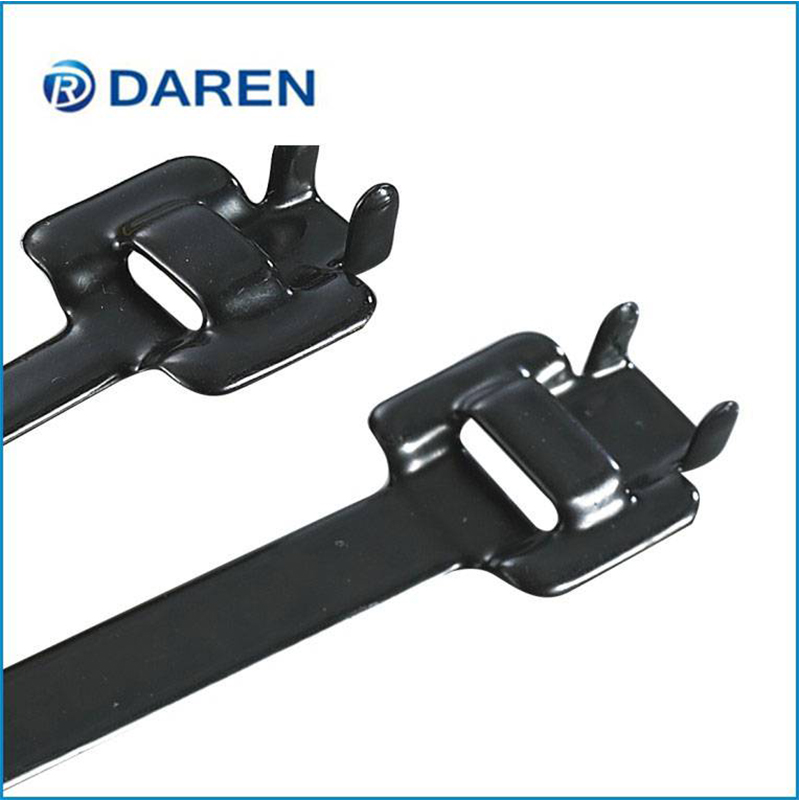
2. Black Stainless Steel Cable Ties: These fasteners have a black coating for appearance enhancement and provide additional protection against rusting. These will work great for outdoor uses where visibility might be a concern.
3. Heavy-Duty Stainless Steel Cable Ties: For demanding applications, these ties are made to withstand very high levels of tensile stress and can be used in many industrial applications, where the environment causes significant stress.
Installation Methods
It’s relatively simple to install stainless cable ties; however, pay close attention to detail! This page will walk you through the complete installation process of the stainless cable ties from start to finish.
Collect your craft materials: Although basic stainless steel ties do not require any special equipment to perform their task, when using a dedicated tool for stainless steel cable tie installation, you will find the process simple and more effective.
Step 2 – Place the zip tie securing the items together in the right place so that when you tighten them they will be held closely to each other.
3. Add Tie: After you have fed the tail of the tie through, firmly tighten the tail against the items being bound.
4. Fixing the Tie: To properly fix the tie, you should follow the manufacturer’s instructions if using a tool or hardware. Pull on the tail of the tie manually until the correct amount of tension is reached, ensuring that the tie remains secure without putting too much stress on the material.
Common Installation Mistakes and How to Avoid Them
It’s easy for even an experienced installer of stainless-steel cable ties to run into problems when installing them. Here are often encountered errors that can easily be avoided.
Failing to securely tighten your tie can cause your connection to become loose. Make sure you have enough torque on your fastening device by hand or with a tool.
Too tightly sealed – Using excessive force to tighten something can result in the degradation of the material in some cases. Use the minimum amount of force necessary to secure the item properly.
Installing the tie incorrectly (with the tail pointed in the wrong direction) makes it difficult to adjust in the future; therefore be careful to install with the correct orientation.
Overlooking Environmental Considerations: If you have chosen the wrong type of stainless steel tie for your application based on the surrounding environment (such as chemical exposure or temperature fluctuations) the tie may fail prematurely. Always consider these environmental factors when selecting ties.
Conclusion
Even though installing and tightening stainless steel ties appears to be an easy job, it requires an attention to detail for performance and durability. Understanding how to use the types of ties available and following the proper installation technique will help ensure that your projects are efficient and successful. If you avoid the most common problems when installing your ties, you will have long-lasting support from your stainless steel ties for your cables or wires or anything else. It is critical that you consider your options and be informed in order to select the best ties for you today.
Post time: Jun-23-2026