




When it comes to fastening and securing items, the simple buckle tie is a versatile and efficient solution. Whether you’re organizing cables, bundling tools, or managing outdoor gear, understanding the different types, uses, and installation techniques of these ties will enhance your ability to arrange your space effectively. This guide will provide you with comprehensive information about simple buckle ties, including key features, materials, and practical installation tips.
What Is a Simple Buckle Tie?
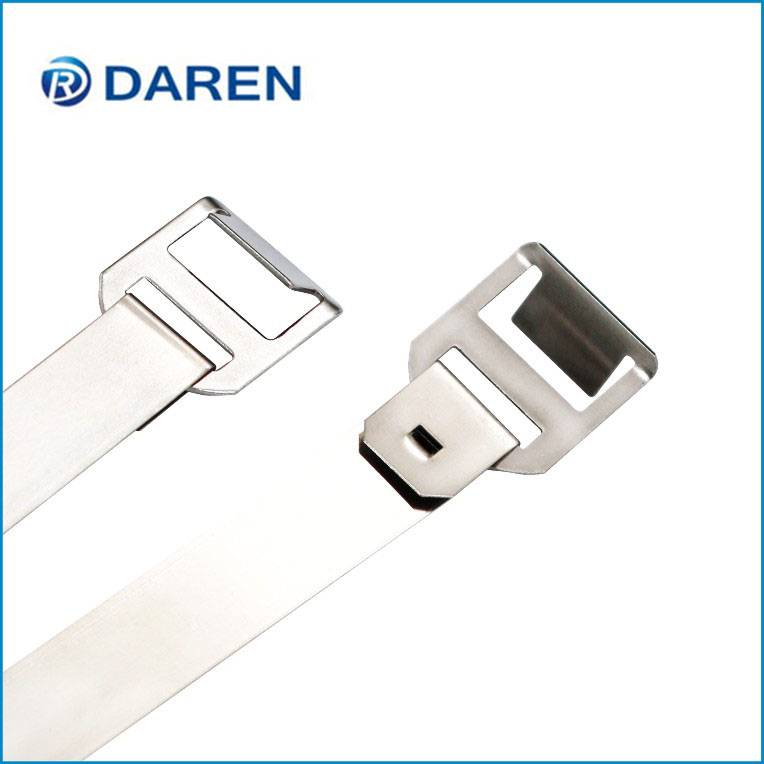
A simple buckle tie is a fastening device designed to securely bind together or stabilize various items. It typically consists of a durable strap or cable and a buckle mechanism that allows for easy tightening and loosening. The design ensures that once secured, the items remain firmly in place while remaining accessible when necessary.
Key Features of Simple Buckle Ties
One of the defining characteristics of buckle ties is their user-friendly design. Key features to consider include:
- Easy Operation: The buckle design allows for quick fastening and unfastening.
- Adjustability: These ties can accommodate varying sizes and volumes, making them suitable for multiple applications.
- Durability: Made from high-quality materials, they are built to withstand wear and tear.
Common Materials Used in Simple Buckle Ties
The material of a simple buckle tie can significantly impact its performance and longevity. Here are some commonly used materials:
- Nylon: Known for its strength and flexibility, nylon buckle ties are often used for outdoor applications, including securing tents or camping gear.
- Polypropylene: This lightweight and weather-resistant material is ideal for general use, making it a frequent choice for DIY projects and home organization.
- Silicone: Renowned for its durability and elasticity, silicone buckle ties are great for environments that require resistance to harsh conditions.
Types of Simple Buckle Ties
There are several types of simple buckle ties, each catering to specific needs. Some popular types include:
Self-locking buckle ties: These ties come with a mechanism that automatically locks in place when fastened tightly, eliminating the risk of loosening during use.
Buckle cable ties: Designed specifically for bundling cables, these ties often come with softer edges to prevent damage to delicate wiring.
Adjustable buckle ties: These straps can be customized in length, making them perfect for diverse applications, from heavy loads to light everyday tasks.
Uses of Simple Buckle Ties
From household chores to professional environments, simple buckle ties serve a variety of purposes:
In home organization, these ties can help keep cords, cables, and various tools neatly bundled, reducing clutter. In construction or industrial settings, buckle ties can secure hoses and piping, enhancing safety and accessibility. Additionally, outdoor enthusiasts often rely on these ties to keep camping gear organized or to bundle equipment for easy transport.
Installation Guide
Installing a simple buckle tie is straightforward. Follow these steps to ensure a secure fastening:
- Align the items you wish to bundle together firmly.
- Pass the strap through the buckle, creating a loop around the items.
- Pull the strap to tighten it around your bundled items, ensuring it is snug but not overly tight.
- Secure the strap in the buckle to hold it in place, ensuring all items remain stable.
With these installation tips, you can effectively utilize simple buckle ties for various applications, enhancing both organization and safety.
In conclusion, simple buckle ties are invaluable tools that serve numerous purposes across different environments. Understanding their features, types, uses, and installation methods will equip you with the knowledge to make the most of these practical fastening solutions. Whether you’re organizing your home, securing items for a project, or preparing for an outdoor adventure, buckle ties can help streamline your efforts efficiently.
Post time: Jul-30-2026