




Stainless Steel Cable Ties have become indispensable for industrial cable management, offering exceptional strength and durability in harsh environments. Whether in construction, marine engineering, or power distribution, stainless steel cable ties outperform traditional plastic ties, providing long-lasting, maintenance-free performance even when exposed to extreme conditions.
Material Options and Technical Parameters
Stainless steel cable ties are manufactured using high-quality materials. Common grades include 201 stainless steel, 304 stainless steel, and 316 stainless steel cable ties. Each grade offers unique benefits—304 is widely used for general industrial purposes, while 316 excels in corrosive and saltwater environments due to its enhanced resistance. These ties function reliably across a wide operating temperature range: from -80°C up to 538°C for bare stainless steel, making them suitable for both freezing and high-heat settings. Standard lengths begin from 150mm and above, accommodating diverse bundling needs.
Types of Stainless Steel Cable Ties
There are two principal structural designs: Ball-Lock and Ladder-Style. Ball-Lock ties feature a self-locking ball mechanism, providing instant, secure closure for high-security, permanent installations. Ladder-Style ties incorporate incremental notches, allowing more adjustability and precise tensioning, especially useful for layouts requiring modification. Another advanced feature is the ability to stretch and reuse some models—a benefit for projects needing flexibility.
Expandable and Reusable Features
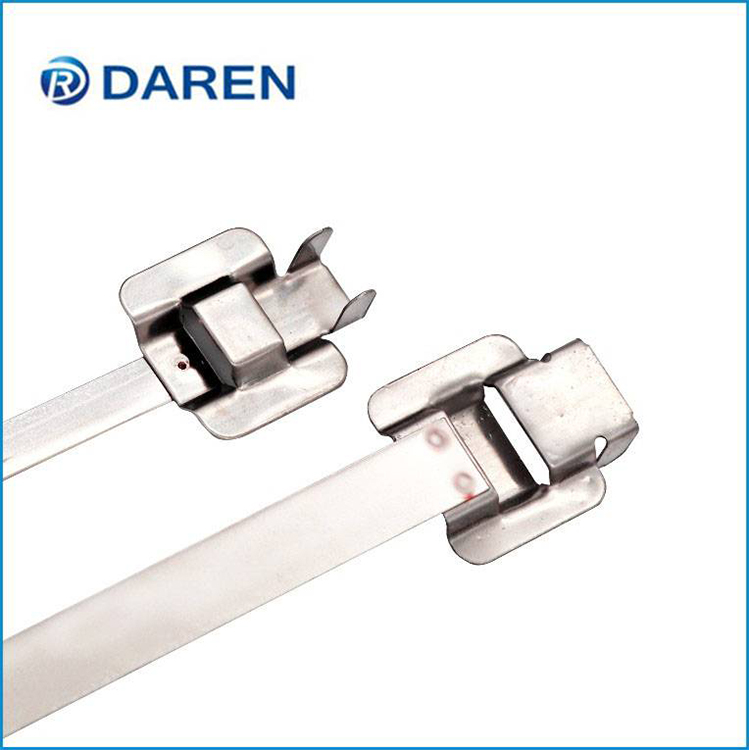
Unlike most single-use cable ties, some stainless steel ties are designed for reusability and adjustability. Their expandable structure means users can add extra tension by bending additional ear tabs or threading a single ear tab through the buckle twice to increase tension strength. This flexibility is invaluable for temporary setups, maintenance, or situations where cable layouts may change.
Coating Options and Specialized Designs
For added protection, Coated stainless steel cable ties such as PVC coated stainless steel cable ties are available. PVC coatings offer insulation, preventing abrasion and electrical shorts — ideal for electrical, marine, and sensitive industrial applications. Epoxy coatings further improve resistance to harsh chemicals. Bare metal ties remain the go-to option in fire-prone or high-temperature zones, but should be used with caution on delicate cables to prevent potential abrasion.
Load Capacity and Tensile Strength
Stainless steel cable ties boast impressive mechanical strength, typically supporting loads from 50kg up to 250kg or more, depending on tie width and length. To maximize safety and performance, matching tie size and tensile strength to the expected load is crucial. The additional ear tab features enable installers to reinforce tension, ensuring secure bundling even under dynamic loads.
FAQ
How do I pick the right tie width for my load?
Match the tie’s tensile rating to the actual load, not just the bundle diameter. Narrow ties suit light bundling, while wider ties handle heavier, dynamic loads. When in doubt, size up for a safety margin.
Can coated ties be used outdoors long-term?
Yes, but inspect the coating regularly. Once PVC or epoxy is cut or worn, corrosion protection and insulation drop sharply, so replace damaged ties rather than reusing them.
What tools are needed for proper tensioning?
Use a dedicated tensioning tool rather than hand-pulling. It delivers consistent tension, cuts the tail cleanly, and avoids under- or over-tightening that can loosen bundles or damage insulation.
How do I verify supplier quality before bulk ordering?
Request material certificates and test reports for the specific grade, then order samples and check tensile strength, coating adhesion, and locking performance under your actual conditions.
Installation Best Practices and Sourcing Advice
When choosing stainless steel cable ties, consider material grade, temperature rating, bundle size, and working environment. Use proper tensioning tools and make sure the closure is fully engaged. Check coated ties for damage before installation to ensure insulation performance. For expandable or reusable designs, use ear tabs and buckles for extra tension as needed. Ask suppliers for quality certifications and test samples to confirm suitability.
Stainless steel cable ties offer strength, durability, adaptability, and safety for industrial cable management. Understanding technical parameters, materials, structure, and coating benefits helps buyers and installers meet diverse operational needs efficiently and reliably.
Post time: Oct-22-2026