




When it comes to connecting piping and various other industrial applications, it is important to use the appropriate stainless steel clamp. Stainless steel clamps are the preferred choice because they offer excellent anti-corrosion properties and durability. This article discusses the types of clamps, their sizes, and how to choose the right one as per your requirement.
Why Stainless Steel?
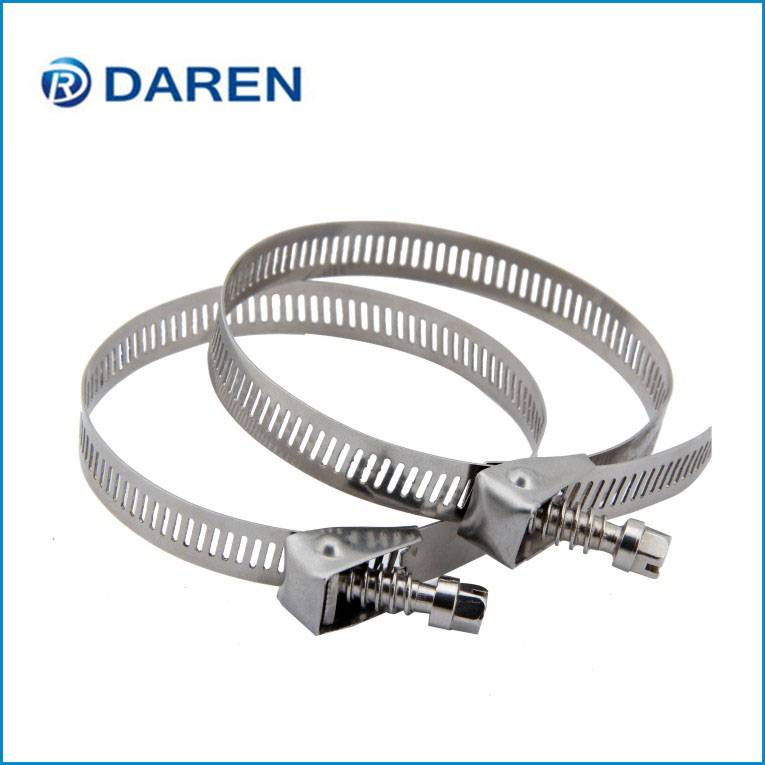
Clamps made of stainless steel work quite efficiently in their applications. They are highly resistant to rust and corrosion caused by chemicals, which makes their use possible in conditions that are often wet and hot. Stainless steel clamps are thus used in industries ranging from food and beverage processing to marine engineering and automotive repair.
Choosing the Right Size
It is important to ensure proper sizing of a product to ensure that it serves its purpose effectively. You will need to take the outer diameter of the product which you want to clamp, including its insulation and hose thickness. The stainless steel clamps are labeled with both minimum and maximum diameters, so obtain one that covers your measurements. Avoid using undersized or oversized clamps; this could lead to leakages, poor seals, and damage to the materials.
Key Factors Before Buying
Selecting a stainless steel clamp involves considering:
Material Grade: While 304 stainless steel is suitable for most applications, 316 is preferred for use in marine or corrosive surroundings.
Compatibility: Make sure the clamp is appropriate for the material of the hose or pipes and prevent undesirable chemical reactions such as when using different metals.
Mechanical Strength: Because of their high strength, T-bolt clamps are ideal for heavy-duty applications, while worm gear clamps are more appropriate for light-duty purposes.
Installation Requirements: Think about whether you require permanent or quick release installations. Certain types of clamps are reusable whereas some types like ear clamps are made for one-time use.
Certification: If you are working in an important sector, be sure that the clamp meets the specifications by organizations such as ASTM or FDA that are in charge of food safety.
Stainless Steel Grades Explained
304 stainless steel is the most widely used type of stainless steel for clamps as it offers a good combination of performance and pricing to be used in general areas. With the addition of molybdenum in the alloy, 316 stainless steel is able to withstand oxidation and can resist chloride, acid, and saltwater, thus proving to be a good option for use in marine and medical applications.
Installation Tips and Best Practices
The right way to put in place will make it last a long time. First clean up the mounting location of the clamp and make sure that it’s level. Then tighten the clamps, based on the torque specified in the instructions from manufacturers. When tightening, be careful not to apply excessive force to avoid causing damage to the hoses or pipes in question. After the clamp is installed, check it periodically in case of vibrations or volume change.
Frequently Asked Questions (FAQ)
Can I use a 304 clamp in a marine environment?
Not ideal. Choose 316 stainless steel for saltwater or highly corrosive conditions.
How do I measure the correct clamp size?
Measure the outer diameter of the hose or pipe, including insulation, then pick a clamp whose range covers it.
Are T-bolt clamps better than worm gear clamps?
T-bolt clamps suit heavy-duty use; worm gear clamps are fine for light-duty applications.
How often should clamps be checked after installation?
Inspect periodically, especially where vibration or temperature changes may loosen them.
What causes clamp failure?
Incorrect sizing, over- or under-tightening, improper material selection, or the use of a low-quality stainless steel in an environment with corrosion potential usually cause failure. Regular inspection, following good practices, can eliminate the majority of problems related to inadequate performance.
It is essential to know about the types, sizes, grades, and installation specifications of the stainless steel clamps in order to select the right one. By ensuring that the clamps fit the specific requirements of your project, you will make sure that they will provide proper performance over time. Always take the environment into account and consult the manufacturers of the clamps if the situation is critical.
Post time: Oct-13-2026