




If you’ve ever had to cut off a plastic zip tie just to make a simple adjustment, you already know how frustrating single-use fasteners can be. Stainless steel LS buckle cable ties offer a smarter way. They combine the strength of metal with a simple buckle design that lets you fasten, release, and reuse them as often as you need.
What Makes LS Buckle Cable Ties Different
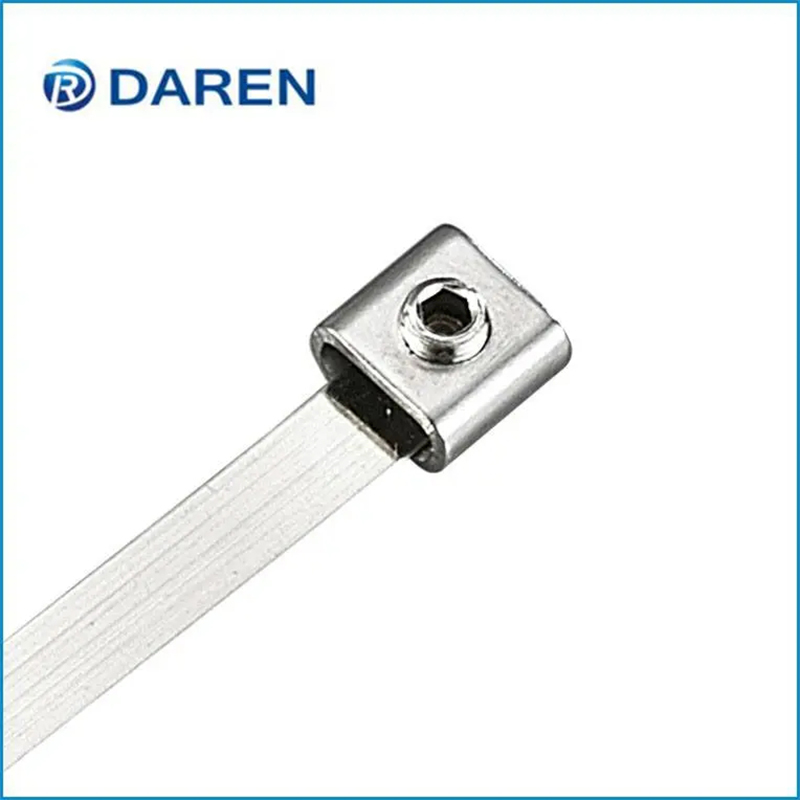
Most cable ties are single-use: once tightened, you have to cut them off to make changes. A buckle cable tie works differently. It uses a ladder-style strap and a metal buckle you thread it, pull to the desired tension, and lift the buckle to release. No cutting, no waste, and no damage to what you’re securing. This makes it ideal for systems that require regular maintenance or adjustments.
Built for Tough Conditions
Plastic ties have their uses, but they don’t hold up well in harsh environments. Sunlight, heat, moisture, and chemicals can cause them to fail over time. Stainless steel LS buckle cable ties solve that they resist corrosion, handle extreme temperatures, and maintain their strength for years.
If your work takes you outdoors, into industrial settings, or anywhere reliability matters, these ties offer peace of mind. They won’t snap unexpectedly or leave you redoing the same job months later.
Why Reusability Matters
One of the biggest advantages of a buckle cable tie is that you can use it more than once. That might sound simple, but think about what it means in practice. If you’re managing cables that get reconfigured during testing, or bundling hoses that need periodic access, being able to open and close the same tie saves time. You’re not hunting for a new tie every time. You’re not creating waste. And you’re not dealing with sharp cut ends left behind after cutting off a plastic one.
For maintenance crews, electricians, and installers, that kind of convenience adds up quickly over the course of a project.
Where They’re Used Most
These ties show up in a wide range of applications. Here are a few common ones:
●Solar panel installations – Securing cables on rooftops where UV exposure and weather demand durable materials.
●Marine and coastal environments – Withstanding saltwater and constant moisture without corroding.
●Industrial equipment – Bundling hydraulic lines, pneumatic hoses, or wiring that gets inspected regularly.
●Transportation – Fastening wire harnesses in trucks, buses, or agricultural machinery.
●Outdoor infrastructure – Securing signs, lighting, or communication cables in exposed locations.
In each case, the ability to use a tie that stays secure but remains adjustable makes the job easier and more efficient.
A Few Simple Tips for Installation
Using these ties is straightforward, but a few habits help get the best results. When you thread the strap through the buckle, make sure it lies flat. Twisting the strap can make it harder to tighten evenly. Pull it snug, but don’t over-crank it you can always tighten further if needed. If you’re bundling sensitive cables, the adjustable tension lets you apply just enough pressure without crushing or damaging the insulation.
If you plan to reuse the tie multiple times, give the buckle a quick check now and then to make sure it engages cleanly. Stainless steel holds up well, but debris in demanding environments can occasionally affect performance.
A Practical Choice for Real-World Work
At the end of the day, choosing a cable tie comes down to what saves you time and keeps your installation secure. Stainless steel LS buckle cable ties offer a combination of strength, reusability, and ease of use that plastic alternatives simply can’t match in demanding environments.
If you’re tired of cutting off and replacing ties every time you make a change, or if you’ve seen plastic ties fail after a season of outdoor exposure, switching to a buckle cable tie made from stainless steel is one of those small changes that makes a noticeable difference. It’s a tool you can rely on not just once, but every time you reach for it.
Post time: Apr-03-2026