




If you’re involved in construction, landscaping, or any project that requires the use of poles secured in place, be sure to learn about the use of stainless steel bands to achieve the best outcome for your project. These heavy-duty bands provide superior strength and durability compared with other types of banding materials. This detailed guide explains all aspects of selecting and using stainless steel pole bands.
What Are Stainless Steel Pole Bands and Where Are They Used?
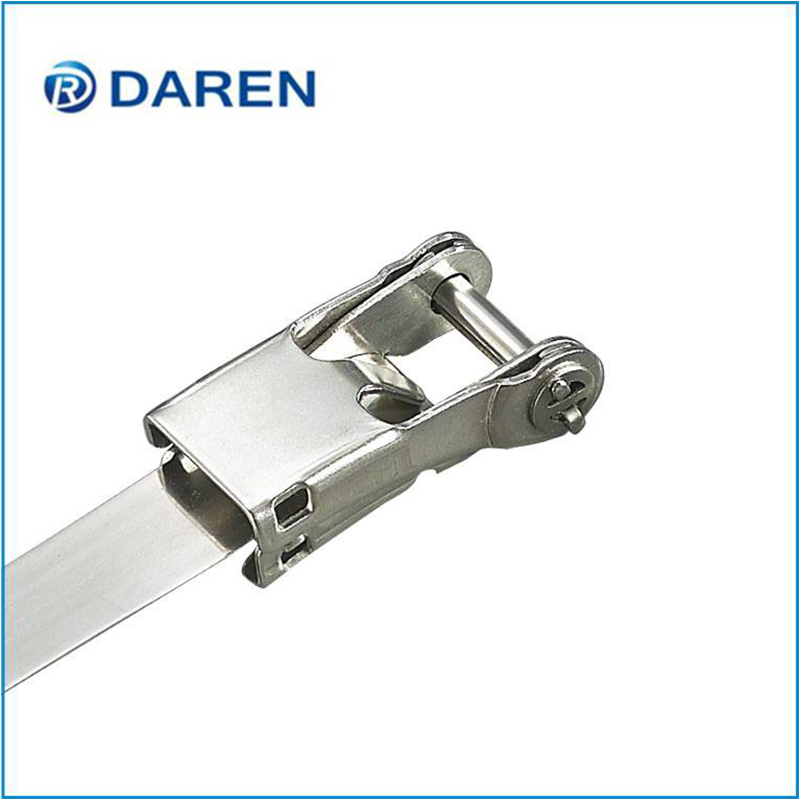
Stainless steel pole strap is a type of fastening element for securely fastening a pole for any application. Their main purpose is to keep from being detached from one another and also to maintain a pole’s position in an upright and anchored manner. Some common applications are:
- Utility poles
- Lighting installation
- Fencing systems
- Structural frameworks
Because of their durability and ability to withstand outdoor environmental elements, stainless steel pole bands are ideal for use as permanent fasteners in both inside and outside projects. Therefore they are a valuable asset for contractors and those who do it yourself.
304 vs. 316 Stainless Steel: Which Grade Is Right for Your Project?
The grade of your stainless steel materials directly affects their ability to perform well when used as pole bands; therefore, you need to choose the right one from the two most widely available grades – 304 or 316. Below are a few examples of how these grades differ:
304 Stainless Steel is adaptable and provides good resistance to corrosion; therefore, it is appropriate for almost all applications, particularly in areas that are subject to moderate corrosion.
316 Stainless Steel Was specifically built to resist harsh environments, providing excellent elastic resistance to pits and corrosion; particularly pitting and corrosion created from saltwater. If your project has the potential of being in saltwater or with chemicals 316 may be preferred.
Key Factors to Consider: Diameter, Width, Thickness, and Load Capacity
When selecting a stainless steel pole strap, several important factors must be taken into account. You should consider these core points:
- Diameter: Ensure the band can fit around the pole securely without being too loose or too tight.
- Width: Wider bands can distribute the load more evenly, improving the stability of the pole.
- Thickness: Thicker bands generally provide greater strength and can accommodate heavier loads.
- Load Capacity: Always check the load capacity specifications, especially for heavy-duty projects.
Corrosion Resistance and Longevity: Why Stainless Steel Outperforms Alternatives
Compared to other materials, such as galvanized Steel and plastic, stainless steel has one very key advantage which is its resistance to corrosion. Stainless steel is engineered to resist degradation and maintain mechanical integrity under conditions including moisture, chemicals and extreme temperatures. Ultimately, when you choose stainless steel pole bands, you are physically investing in a product that will require fewer replacement costs and maintenance expense thus offering cost savings over the life cycle of the product.
FAQs
What Are Stainless Steel Pole Bands and Where Are They Used?
These are examples of fastening Tools that are designed to hold poles in various applications, providing a method for maintaining stability and support.
304 vs. 316 Stainless Steel: Which Grade Is Right for Your Project?
Choose 304 stainless steel for normal weather conditions. For severe environments where the material will be susceptible to erosion or corrosion from salt and/or chemicals, choose 316 stainless steel.
Key Factors to Consider: Diameter, Width, Thickness, and Load Capacity
Using the above mentioned list of capabilities and dimensions should be helpful in choosing the best band for your purpose.
Corrosion Resistance and Longevity: Why Stainless Steel Outperforms Alternatives
When compared to other products, such as PVC or plated steel, stainless steel has the most resistant property (corrosion resistance).
By reading the information contained in this document, you will be better able to make an informed decision about which types of stainless steel pole bands might be best suited to your needs. Make sure that you choose products based on their quality and ability to provide both satisfaction and performance over the long term.
Post time: Jul-02-2026