




Introduction: The Importance of Choosing the Right Ratchet Buckle
Ratchet buckles are critical fastening devices used across industries for securing cables, pipes, cargo, and machinery. The choice between an STL Stainless Steel Ratchet Buckle and a galvanized ratchet buckle determines the lasting reliability and safety of your installation. Understanding their differences directly impacts operational efficiency and value.
Material Differences: Stainless Steel and Galvanized Steel
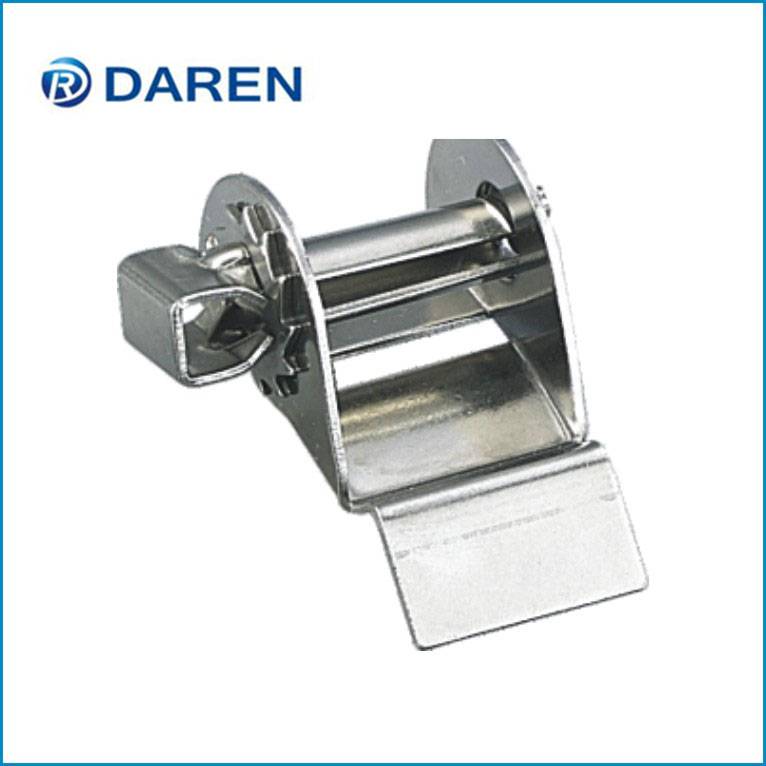
STL Stainless Steel Ratchet Buckle is typically made from grades like 304 or 316, known for corrosion resistance and mechanical strength. The surface forms a passive oxide layer, which protects against rust. This self-healing property ensures protection even if the surface is scratched.
Galvanized ratchet buckles use standard steel coated with a zinc layer to prevent corrosion. While zinc offers basic defense in non-aggressive environments, any damage or abrasion can expose the steel underneath, leading to rust. These buckles are far more vulnerable in humid, coastal, or chemical-rich locations, where stainless steel excels.
Corrosion Resistance and Durability
The defining advantage of STL Stainless Steel Ratchet Buckle is its superior resistance to environmental damage. Frequent exposure to moisture, chemicals, or saline air can quickly degrade galvanized buckles, while stainless steel resists rust and maintains structural integrity.
For industries like marine, chemical processing, and outdoor construction, the reliability and longevity of stainless steel make it the preferred material. Its durability under repeated stress ensures that fastening remains secure, minimizing safety risks and maintenance needs.
Applications: Where Ratchet Buckles Matter
Both types of ratchet buckles are used for pipe and cable bundling, cargo securing, and machinery fastening. However, STL Stainless Steel Ratchet Buckle is particularly valued in environments where the risk of corrosion and mechanical failure is highest.
Typical applications for stainless steel ratchet buckles include marine installations, chemical plants, food processing, outdoor infrastructure, and transportation. Galvanized ratchet buckles, while suitable for indoor and dry conditions, offer limited protection and shorter lifespan in harsher environments.
Cost Considerations: Investment Versus Value
Stainless steel ratchet buckles usually involve a higher initial cost compared to galvanized options. However, their extended durability, reduced maintenance, and lower risk of failure translate into savings over time. In contrast, frequent replacement and maintenance can make galvanized buckles a less economical long-term solution, especially for critical applications.
Simple Buckle Ties: A Practical Solution for Bundling
Beyond ratchet buckles, simple buckle ties offer convenient and secure bundling for cables and pipes, particularly for medium-duty tasks. Made most often from stainless steel, these ties are corrosion-resistant, easy to install, and adaptable to varied diameters and shapes. They are a staple in electrical, plumbing, and automotive industries.
When selecting a simple buckle tie, prioritize material and buckle design. Stainless steel ties excel in challenging environments, while the tie’s width and thickness should match the bundle’s size. Installation is quick, often possible without tools, and specifications typically define load capacity and recommended use scenarios.
FAQ: Selecting and Using Ratchet Buckles and Simple Buckle Ties
What Is a Simple Buckle Tie?
A simple buckle tie is a stainless steel fastening strip with a basic buckle mechanism, ideal for securing cables and pipes in routine bundling tasks.
Common Benefits and Applications
Simple buckle ties are valued in electrical wiring, plumbing, and automotive uses for their ease of installation and corrosion resistance.
How to Choose the Right Tie?
Consider material (stainless steel for harsh environments), dimensions, and the installation method. Manufacturer specifications help match capacity and application.
The Case for STL Stainless Steel Ratchet Buckle
For professionals who require long-lasting performance, minimal maintenance, and consistent safety, the STL Stainless Steel Ratchet Buckle is the optimal choice. Its corrosion resistance, strength, and compliance with regulatory standards make it suitable for critical environments and demanding applications.
Galvanized ratchet buckles have their place in mild and dry conditions, but their limitations become evident in settings with high moisture or chemical exposure. Choosing stainless steel ratchet buckles ensures operational reliability and reduces downtime, protecting both your assets and workforce.
Summary:
The difference between STL Stainless Steel Ratchet Buckle and galvanized ratchet buckle is substantial in terms of durability, safety, and value. For demanding environments where reliability is paramount, stainless steel ratchet buckles offer unmatched protection, strength, and long-term savings. Their ability to maintain integrity in challenging conditions supports safer, more efficient operations. For cable and pipe bundling, stainless steel simple buckle ties deliver a practical, corrosion-resistant solution. Investing in stainless steel hardware is an investment in quality, compliance, and peace of mind.
Post time: Oct-06-2026