




Single-lock uncoated cable ties are stainless steel cable fasteners built with a latch-style locking mechanism. Unlike coated cable ties, they have no nylon or PVC outer layer, so bare metal makes direct contact with the bundled items. This design delivers consistent mechanical performance for many industrial settings where stable bundling is required. This style of stainless steel cable tie is widely selected for environments that rule out polymer coatings.
What Are Uncoated Single-Lock Cable Ties?
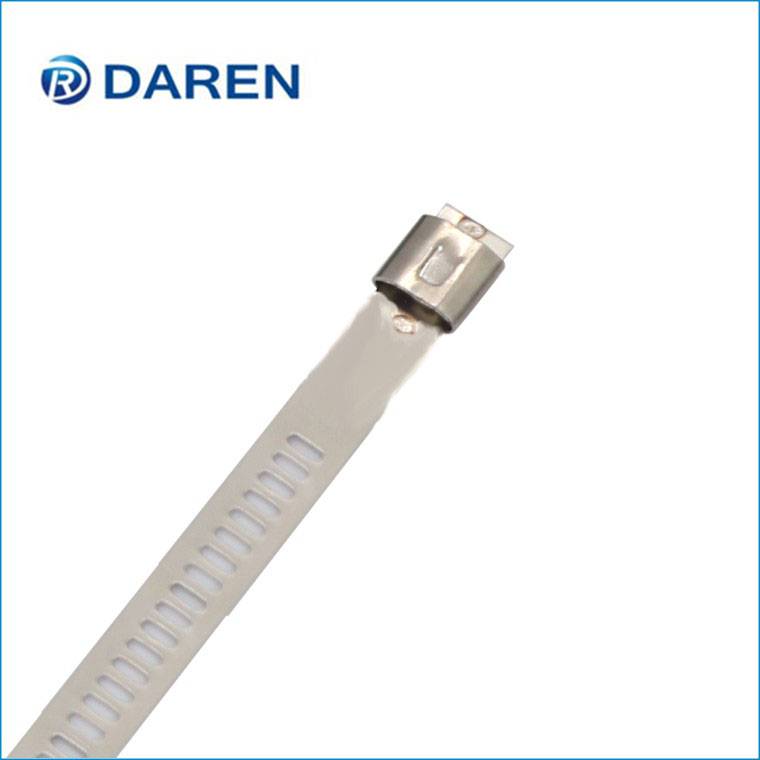
Uncoated single-lock cable ties use solid stainless steel with an integrated single-lock catch and ladder-style strap profile, designed to bundle wires, cables and pipes firmly. Without any surface coating, the stainless steel sits directly against the bundled surface.
304 and 316 stainless steel are the most common grades. Both resist UV radiation, temperature fluctuation and many chemical agents. The bare, uncoated surface also suits sterile work areas, where easy, thorough cleaning is required.
Key Benefits of Using Uncoated Single-Lock Ties
The stainless steel construction gives these ties high tensile strength, which holds heavy bundles securely under vibration and mechanical load. The integrated single-lock catch locks firmly and will not slip once fastened.
Stainless steel provides natural corrosion resistance, making these ties suitable for humid, outdoor and chemically exposed locations. The uncoated material also resists fire and can be sanitized, a useful feature for food processing and pharmaceutical environments with strict hygiene standards.
Typical Industrial Applications
These ties are used across industrial sectors for cable bundling in tough operating conditions.
Energy and power facilities use them for cable trays and control cabinet wiring to reduce loose-cable hazards and cut routine maintenance work. Oil, gas, chemical and marine sites often specify them because of corrosion resistance. Rail and transport systems rely on their vibration resistance to keep wiring fixed in place.
Telecom rooms and data centers use uncoated single-lock ties to organize fiber and network cables, supporting stable service with fewer replacements.
How to Select the Right Size and Material
Start by measuring the outer diameter of your bundle. The tie must have enough length to form a complete loop and engage the lock correctly; larger bundles need wider, longer straps.
316 stainless steel is preferred for saltwater, heavy chemical exposure or persistent high humidity, as it offers stronger anti-corrosion performance. For less aggressive indoor or dry outdoor conditions, 304 stainless steel balances cost and durability well.
Always refer to the manufacturer’s working load rating to match expected tension. For regulated sanitary or traceable industries, confirm the ties meet relevant compliance requirements.
Installation Best Practices
Correct fitting helps maintain service life. Arrange cables neatly before looping the tie around the bundle. A dedicated tensioning tool helps apply uniform tension without crushing cables or pipe surfaces, after which the excess tail can be trimmed cleanly.
Routine visual inspection is recommended. Replace any ties showing corrosion or deformation. For hygiene-critical workflows, clean or sanitize ties before installation.
FAQ: Uncoated Single-Lock Cable Ties
Can uncoated single-lock ties be used to fasten plastic hoses or soft rubber lines?
They can, but extra care is needed. The sharp metal edge may cut or abrade soft materials under movement. If the line flexes frequently, coated stainless ties or protective sleeves are a better choice.
What is the difference between single-lock and double-lock stainless steel cable ties?
Single-lock uses one latch point for locking. Double-lock designs add a secondary locking tooth, intended for applications with extreme cyclic vibration and higher pull loads.
Do uncoated stainless steel cable ties carry any food-contact certifications by default?
Not automatically. Stainless steel grade alone does not equal food approval. You need to check individual product certificates such as FDA or 3A compliance for food and beverage lines.
Can I paint uncoated stainless steel cable ties after installation?
Painting is possible, but paint may crack once the strap flexes. It also hides early signs of rust or surface damage and makes later inspection harder.
Are uncoated single-lock ties permitted for underground burial applications?
It depends on soil composition. Salty, acidic soil accelerates corrosion. Even 316 grade has limits for permanent burial; many underground projects specify special alloy ties instead.
Uncoated single-lock stainless steel cable ties provide a stable bundling option for industrial cable management. With the right grade, size and installation method, they help keep wiring and pipe bundles secured reliably in demanding sites.
Post time: Nov-05-2026


