




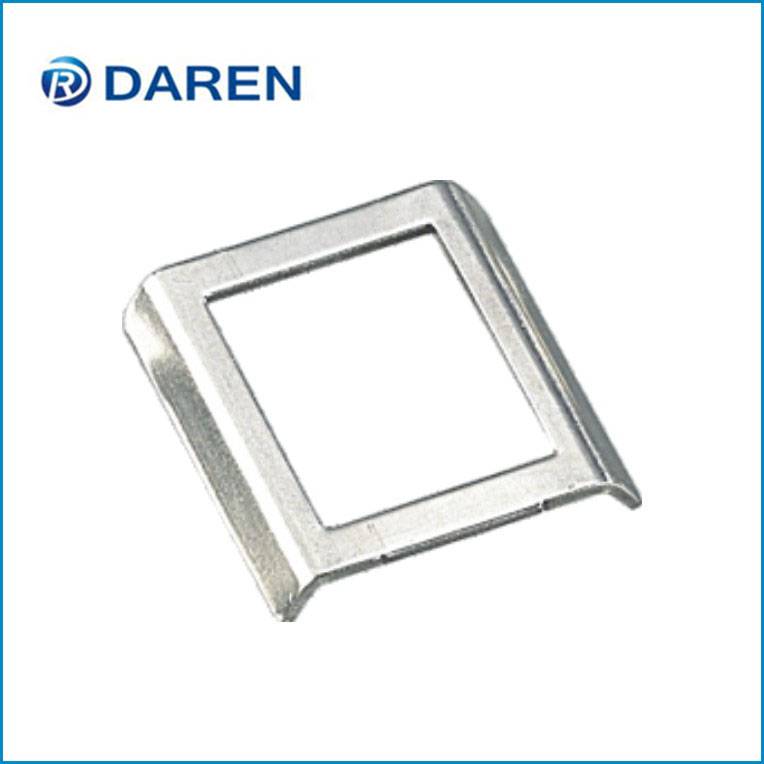
Understanding the Stainless Steel Buckle
The manufacturing of Stainless Steel Buckles utilizes stainless steel, which has the benefit of being very strong, durable and resistant to corrosion. Such devices can be utilized in several activities such as electrical work and cable management. This means that stainless steel buckles can be used for achieving very reliable fastening for cables and straps. The stainless steel buckles have proved to be the bеstfit component for tough environments.
Key Features and Material Types
A quality stainless steel buckle offers several advantages:
Corrosion Resistance: Stainless steel resists rust and chemical deterioration, ideal for outdoor and marine use.
Tensile Strength: These buckles handle heavy loads and stress, supporting critical installations without deformation.
Temperature Tolerance: Stainless steel maintains reliability in extreme heat or cold.
Types of Stainless Steel Buckles
Various stainless steel buckle clip designs cater to specific needs:
Ladder Buckles: Adjustable, reliable grip for strapping applications.
Clip Buckles: Quick-release buckles using spring or clip mechanism enable rapid fastening and unfastening.
Locking Buckles: Tamper-proof designs for industrial or cable management, ensuring straps stay secure.
Self-Locking Buckles: Automatically secure straps, used in fast, maintenance-free installations.
Select the buckle based on load, temperature, frequency of use, and environment.
Applications of Stainless Steel Buckles
Stainless steel buckles are trusted for:
Industrial Use: Securing cable ties, clamps, pipelines.
Marine Operations: Fastening ropes and gear aboard boats, resisting saltwater corrosion.
Electrical Installations: Dependable grip for cable management and safety.
Outdoor Projects: Fencing, solar panel mounts, and equipment straps.
Their versatility and strength address the needs of both heavy-duty and specialized applications.
Installation Tips and Best Practices
Proper installation maximizes safety and performance:
Choose the Right Buckle: Match grade and type with environment and load.
Prepare the Strap: Ensure compatibility with the buckle and cleanliness for a secure fit.
Thread Correctly: Follow manufacturer guidance to prevent slippage.
Secure Locking: Engage locking mechanisms fully and test for firmness.
Use Suitable Tools: Specialized tools may be required for tensioning and cutting.
Inspect regularly in environments exposed to vibration or weather.
FAQs: Stainless Steel Buckle Solutions
What is a stainless steel buckle?
It is a secure mechanism made of stainless steel and used to bind different straps and bands in the most severe conditions.
What are the main features?
Excellent endurance to corrosion, capacity to withstand elevated temperatures, and inner locking and fast-release functions.
Which material grade should I choose?
316 suits corrosive or marine environments; 304 works for standard applications.
How do I install it securely?
Select the right buckle, prepare the strap, thread and lock correctly, and inspect regularly.
How to Buy the Right Stainless Steel Buckle
Assess your project’s needs, find an appropriate level of quality, and think about for certifications. Order materials from reliable sources, while checking samples prior to making bulk orders.
The application of stainless steel buckles results in great reliability due to their strong resistance to corrosion and their versatility when using them to fasten cables, straps, or belts under the roughest conditions. Material selection and proper installation practices help ensure that the buckles will operate for many years and will be preferred in a variety of industrial, marine, and environmental settings.
Post time: Oct-15-2026