




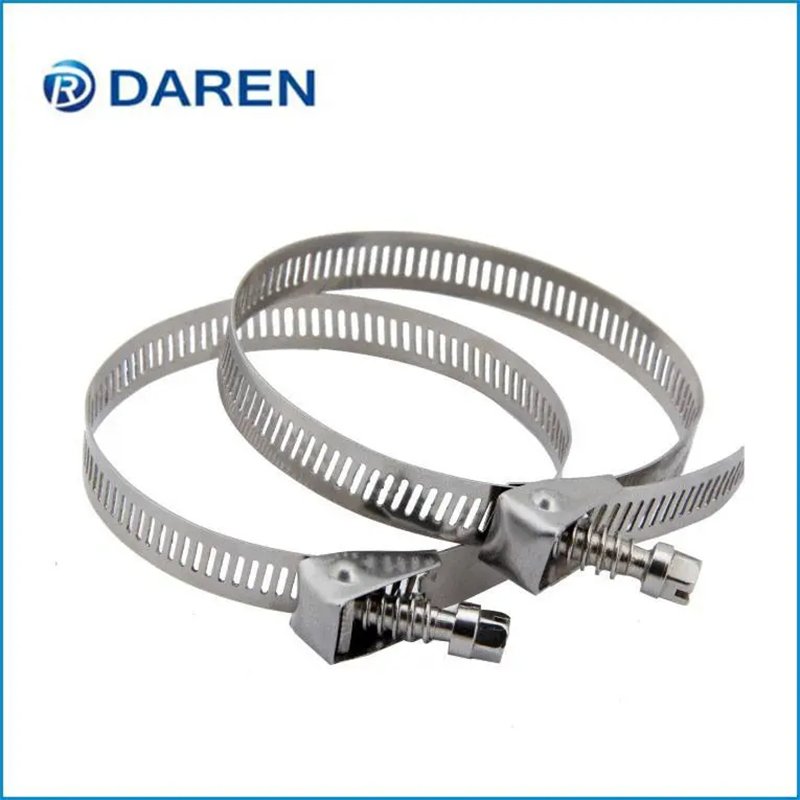
A stainless steel clamp is a band, usually with a screw or spring mechanism, that wraps around a hose or pipe to hold it tightly onto a fitting. Unlike plain steel clamps, stainless steel resists rust and corrosion, which makes it the go‑to choice for jobs where moisture, chemicals, or outdoor weather are factors. If you’ve ever dealt with a rusty clamp that crumbled when you tried to loosen it, you already understand why stainless matters.
Why Stainless Steel Instead of Regular Steel
Regular steel clamps work fine in dry, indoor conditions. But add water, salt, humidity, or cleaning chemicals, and they start rusting. Rust does two bad things: it weakens the clamp, and it flakes off, potentially contaminating whatever fluid is flowing through the hose. A stainless steel clamp solves both problems. It holds tight, stays clean, and can be removed years later without falling apart.
Where People Actually Use Stainless Steel Clamps
The short answer is anywhere that gets wet, exposed, or chemically harsh. Here are the most common real‑world uses.
●Marine and boating:On a boat, everything gets splashed or soaked. Stainless clamps secure fuel lines, cooling hoses, bilge pump hoses, and deck drains. Regular clamps would rust through in one season.
●Automotive and heavy equipment:Under the hood, coolant hoses, fuel lines, and vacuum hoses face heat, vibration, and occasional fluid spills. A stainless steel clamp handles the heat and won’t leave rust stains on engine components. They’re also common on trucks and construction equipment that work outdoors year‑round.
●Food and beverage processing:Washdown areas in dairies, breweries, and commercial kitchens get hosed with water and cleaning agents daily. Stainless clamps are used on sanitary hoses, spray nozzles, and transfer lines because they don’t rust and are easy to sanitize.
●Outdoor plumbing and irrigation:Garden hoses, drip irrigation lines, and pressure washer fittings live outside in rain, sun, and soil. Stainless clamps keep connections tight without turning into a crusty mess.
●Industrial and chemical environments:Factories that handle acids, solvents, or caustic cleaners use stainless clamps on transfer hoses and chemical lines. The same corrosion resistance that fights water also resists many chemicals.
What Makes a Good Stainless Steel Clamp
Not all stainless clamps are equal. Here’s what to look for when you’re buying.
1. Grade matters 304 stainless works for most general uses, resisting rust from water, humidity, and mild chemicals. 316 stainless adds molybdenum for better resistance to saltwater and stronger acids. For marine or coastal use, 316 is worth the extra cost.
2.Band width affects clamping force. Narrower bands (9mm or 12mm) work on small hoses and tight spaces. Wider bands (20mm or more) spread pressure over a larger area, which is better for soft hoses or high‑pressure connections.
3.Screw housing design Look for a smooth, rounded housing that won’t cut into the hose. Sharp edges on cheap clamps can damage rubber or silicone hoses over time.
Common Questions Buyers Ask
Are stainless steel clamps really rust‑proof?
Not completely. They are rust‑resistant. Under normal conditions they won’t rust. With continuous saltwater or strong chemicals, even 316 stainless may show surface staining. But for most hose and pipe applications, they perform far better than regular steel.
Can I use a stainless clamp on any hose?
Yes, but match the clamp to the hose. On soft silicone or rubber hoses, use a wider band or a lined clamp to avoid cutting the hose. On metal or hard plastic fittings, standard bands work fine.
Are they worth the extra cost?
Almost always yes, if moisture or outdoor exposure is involved. A regular steel clamp may cost half as much, but replacing it twice due to rust costs more in labor and downtime. For one‑time repairs inside a dry building, regular steel is fine. For anything else, stainless pays for itself.
Where Not to Use Stainless Clamps
Stainless clamps aren’t perfect for every situation. They conduct electricity, so don’t use them on electrical grounding connections where you need isolation. They also cost more, so for purely dry, indoor, temporary jobs, a plain steel or zinc‑plated clamp is perfectly adequate. And for very high‑temperature exhaust or heater hoses (over 300°C or 570°F), look for specialized high‑temp clamps, not standard stainless.
How to Identify a Quality Stainless Steel Clamp
A genuine stainless steel clamp won’t attract a magnet (though the screw might be slightly magnetic due to work hardening during manufacturing). It will have a clean, bright finish without visible rust spots. Cheap “stainless‑look” clamps are sometimes just zinc‑plated steel. If you’re unsure, scratch the band lightly zinc plating will show a dull grey base metal underneath, while solid stainless will look the same throughout.
Summarize
Stainless steel clamps are used anywhere moisture, weather, or chemicals would ruin a regular steel clamp. That includes boats, vehicles, food plants, outdoor equipment, and industrial settings. They cost more upfront but save you from rusted or failed clamps later. For critical systems or outdoor use, they’re the right choice. Keep a range of sizes in your shop or truck, and you’ll always have a reliable clamp.
Post time: Apr-16-2026